


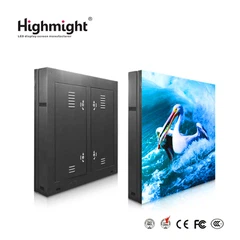

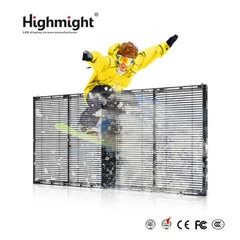


As a seasoned supplier of indoor rental LED displays, I've encountered a wide array of issues that customers face during the setup and operation of these high - tech devices. In this blog, I'll share some practical tips on how to troubleshoot common problems of indoor rental LED displays.
1. No Power or Display Issues
Power Supply Problems
One of the most frequent problems is the LED display not powering on. First, check the power cable connections. Ensure that the power cord is firmly plugged into both the display unit and the power outlet. Sometimes, a loose connection can prevent the display from receiving electricity. If possible, try using a different power outlet to rule out any issues with the socket itself.
Another aspect to consider is the power supply unit (PSU) of the LED display. Over time, the PSU can malfunction due to overheating or electrical surges. If you suspect a PSU problem, you can use a multimeter to test the output voltage. Compare the readings with the specifications provided by the manufacturer. If the voltage is not within the acceptable range, it may be necessary to replace the PSU.
Signal Transmission Issues
When the display is powered on but shows no content, the problem might lie in the signal transmission. Check the cable connections between the media player or computer and the LED display. Commonly used cables include HDMI, DVI, and VGA. Make sure these cables are properly inserted and not damaged.
If you're using a wireless signal transmission device, ensure that it is properly configured and within the signal range. Sometimes, interference from other electronic devices can disrupt the wireless signal. Try moving the wireless device away from sources of interference such as routers, microwave ovens, or other high - power electronics.
For more information about our Indoor LED Rental Display, you can visit our website.
2. Display Color and Brightness Problems
Color Inconsistencies
Color inconsistencies on the LED display can be quite noticeable and can significantly affect the visual experience. One possible cause is incorrect color calibration. Most LED displays come with built - in color calibration tools. You can access these tools through the display's menu settings and follow the manufacturer's instructions to adjust the color settings such as hue, saturation, and brightness.
Another factor that can cause color issues is the aging of the LED chips. Over time, some LED chips may start to degrade, resulting in uneven color distribution. If you notice specific areas of the display with different colors, it may be necessary to replace the faulty LED modules. However, this should be done by a professional technician to ensure proper installation and alignment.
Brightness Fluctuations
Brightness fluctuations can be distracting and may indicate a problem with the display's power management or LED driver. First, check if the brightness settings on the display are set to a stable value. Some displays have automatic brightness adjustment features that can be affected by changes in ambient light. If you prefer a constant brightness level, disable this feature.
If the brightness fluctuations persist, it could be due to a faulty LED driver. The LED driver is responsible for regulating the power supply to the LED chips. A malfunctioning driver can cause the LEDs to flicker or change brightness unexpectedly. In this case, you may need to replace the LED driver.
Our High - resolution Indoor LED Rental Display is designed to provide consistent color and brightness for an immersive visual experience.
3. Physical Damage and Installation Issues
Physical Damage
Physical damage to the LED display can occur during transportation or installation. Cracks, scratches, or broken LED modules can affect the display's performance. If you notice any physical damage, assess the severity of the problem. Minor scratches may not significantly impact the display's functionality, but they can still affect the visual appearance. In this case, you can use a display cleaner and a soft cloth to clean the surface.
For more severe damage such as broken LED modules, it is crucial to replace them as soon as possible. Contact our technical support team, and we can provide you with the necessary replacement parts and guidance on how to install them.
Installation Issues
Improper installation can also lead to various problems. Make sure that the display is installed on a flat and stable surface. Uneven surfaces can cause the display to warp, resulting in visual distortions. During installation, follow the manufacturer's instructions carefully, especially when it comes to mounting the display and connecting the cables.
If the display is installed in a large - scale setup, ensure that the modules are properly aligned. Misaligned modules can create gaps or overlaps, which can be visually unappealing. Use alignment tools and follow the installation guidelines to achieve a seamless display.
Our Custom Indoor LED Rental Display can be tailored to your specific installation requirements.
4. Software and Firmware Issues
Software Compatibility
Sometimes, the software used to control the LED display may not be compatible with the operating system or the hardware. If you're experiencing issues such as slow response times or error messages when using the control software, check the software's compatibility requirements. You may need to update the software to the latest version or use a different software that is compatible with your system.


Firmware Updates
Firmware is the software that is embedded in the LED display's hardware. Manufacturers often release firmware updates to improve the display's performance, fix bugs, and add new features. Check our website regularly for firmware updates for your specific display model. Follow the instructions provided to install the firmware update safely.
Conclusion
Troubleshooting common problems of indoor rental LED displays requires a systematic approach. By checking the power supply, signal transmission, color and brightness settings, physical condition, and software/firmware, you can identify and resolve most issues.
If you're facing any difficulties with your indoor rental LED display or are interested in purchasing our products, we encourage you to contact us for further discussion. Our team of experts is ready to provide you with professional advice and support to ensure that you get the best out of your LED display.
References
- Manufacturer's user manuals for indoor rental LED displays
- Industry standards and guidelines for LED display installation and maintenance


