







Naked eye 3D displays, a revolutionary technology, have been making waves across various industries. As a supplier of naked eye 3D displays, I've witnessed firsthand the transformative power of this technology. In this blog, I'll delve into the educational applications of naked eye 3D displays, exploring how they can enhance learning experiences and make education more engaging and effective.
Immersive Learning in Science and Biology
One of the most significant educational applications of naked eye 3D displays lies in the field of science and biology. Traditional 2D textbooks and flat-screen presentations often struggle to convey the complex structures and processes of the natural world. With naked eye 3D displays, students can explore the microscopic world of cells, the intricate structures of organs, and the dynamic processes of biological systems in a truly immersive way.
For example, in a biology class, students can use naked eye 3D displays to examine the 3D structure of a DNA molecule. They can rotate the molecule, zoom in on specific regions, and observe how different components interact. This hands-on, visual approach helps students better understand the concepts of genetics and molecular biology, making learning more memorable and enjoyable.
Similarly, in a geology class, students can explore the 3D topography of mountains, the formation of volcanoes, and the movement of tectonic plates. By visualizing these geological processes in 3D, students can gain a deeper understanding of the Earth's structure and the forces that shape our planet.
Historical and Cultural Education
Naked eye 3D displays also have great potential in historical and cultural education. They can bring historical events and cultural artifacts to life, allowing students to experience the past in a more immersive and engaging way.
Museums and historical sites can use naked eye 3D displays to recreate historical scenes and artifacts. For instance, a museum could use a naked eye 3D display to showcase a 3D reconstruction of an ancient Egyptian tomb. Students can walk around the tomb, examine the hieroglyphics on the walls, and learn about the burial practices of the ancient Egyptians. This type of interactive experience helps students develop a greater appreciation for history and culture.
In addition, naked eye 3D displays can be used in language learning to create immersive cultural experiences. For example, a language class could use a 3D virtual tour of a foreign city to teach students about the local culture, customs, and landmarks. By experiencing the city in 3D, students can improve their language skills while also gaining a better understanding of the target culture.
Engineering and Design Education
In the fields of engineering and design, naked eye 3D displays are invaluable tools for teaching and learning. They allow students to visualize and manipulate 3D models of engineering projects and design concepts, helping them develop the skills and creativity needed for success in these fields.
Engineering students can use naked eye 3D displays to design and test 3D models of buildings, bridges, and other structures. They can analyze the structural integrity of their designs, make modifications in real-time, and see the effects of different design choices. This hands-on approach to learning helps students develop a deeper understanding of engineering principles and prepares them for real-world engineering challenges.
Similarly, design students can use naked eye 3D displays to create and present 3D models of their designs. Whether it's a fashion design, a product design, or an interior design, the ability to visualize the design in 3D allows students to communicate their ideas more effectively and get feedback from their peers and instructors.
Advantages of Our Naked Eye 3D Displays
As a supplier of naked eye 3D displays, we offer a range of high-quality products that are specifically designed for educational applications. Our displays feature the latest 3D technology, providing stunning visuals and immersive experiences.
One of the key advantages of our naked eye 3D displays is their high resolution. Our High Resolution Outdoor LED Screen offers crystal-clear images and sharp details, ensuring that students can see every aspect of the 3D content with precision. This high resolution is particularly important for educational applications, where accurate visualization of complex concepts is crucial.
In addition, our naked eye 3D displays are easy to use and install. They come with user-friendly software that allows educators to easily create and manage 3D content. Whether it's importing existing 3D models or creating new ones from scratch, our software makes it simple and intuitive for educators to incorporate 3D technology into their teaching.
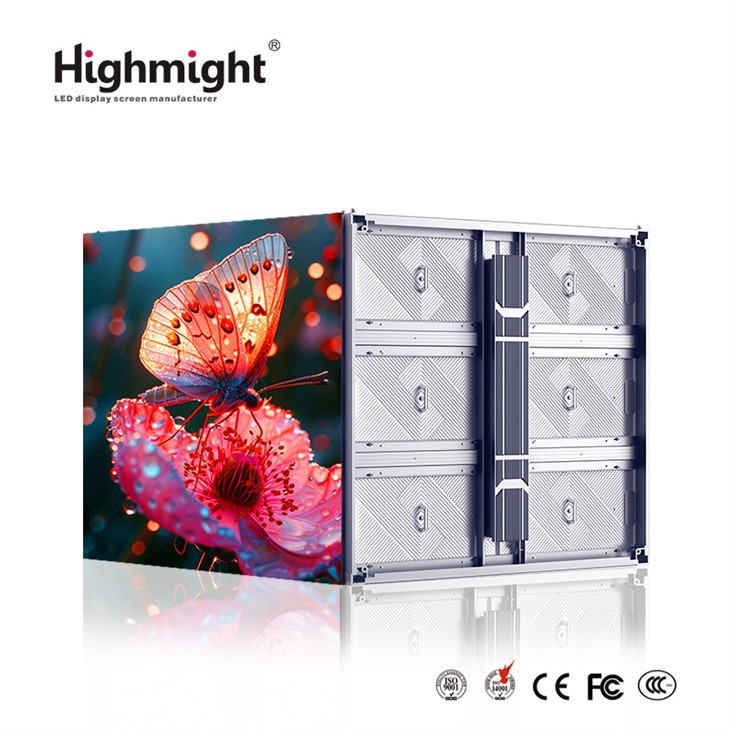
Another advantage of our products is their durability and reliability. Our Outdoor Naked Eye 3D Full Color Screen is designed to withstand harsh outdoor environments, making it suitable for use in outdoor educational settings such as botanical gardens, nature reserves, and historical sites. Our displays are also built to last, ensuring that they can provide years of reliable service.

Encouraging Interaction and Collaboration
Naked eye 3D displays can also encourage interaction and collaboration among students. In a classroom setting, multiple students can gather around a 3D display to view and discuss the content. This collaborative learning environment promotes teamwork, communication, and critical thinking skills.
For example, in a group project, students can use a naked eye 3D display to present their ideas and findings. They can manipulate the 3D models together, share their perspectives, and work towards a common goal. This type of interactive learning experience helps students develop the skills they need to succeed in the 21st century workplace.
Cost-Effectiveness and Sustainability
In addition to their educational benefits, our naked eye 3D displays are also cost-effective and sustainable. Compared to traditional 3D display technologies that require special glasses or headsets, our naked eye 3D displays eliminate the need for additional equipment, reducing the overall cost of implementation.
Moreover, our displays are energy-efficient, consuming less power than traditional displays. This not only helps to reduce energy costs but also makes our products more environmentally friendly. By choosing our naked eye 3D displays, educational institutions can save money while also contributing to a more sustainable future.
Conclusion
In conclusion, naked eye 3D displays have a wide range of educational applications, from science and biology to history and culture, engineering and design. They offer a more immersive, engaging, and effective way of learning, helping students better understand complex concepts and develop the skills they need for success in the 21st century.
As a supplier of naked eye 3D displays, we are committed to providing high-quality products and solutions that meet the needs of educational institutions. Our 3D Naked Eye LED Billboard and other products are designed to enhance the educational experience, making learning more fun and effective.
If you're interested in exploring the educational applications of our naked eye 3D displays, we encourage you to contact us for a consultation. Our team of experts will be happy to discuss your specific needs and provide you with a customized solution. Let's work together to revolutionize education with the power of naked eye 3D technology.
References
- Johnson, D. (2020). The Impact of 3D Visualization on Learning Outcomes. Journal of Educational Technology, 45(2), 123-135.
- Smith, A. (2019). Using 3D Displays in the Classroom: A Review of the Literature. Educational Research Review, 28, 1-15.
- Williams, B. (2018). The Future of Education: Immersive Learning with 3D Technology. International Journal of Educational Innovation and Research, 6(3), 234-245.


