





Hey there! As a supplier of flexible LED displays, I often get asked about the cables needed to connect these cool displays to a media player. It's a crucial aspect, as the right cables ensure a seamless connection and optimal performance of your flexible LED display. So, let's dive right in and explore the different types of cables you might need.
First off, we've got the power cables. Every flexible LED display needs power to light up, right? The power cable is responsible for supplying the necessary electrical energy to the display. Usually, the power cable that comes with our High Brightness Indoor Flexible Module is designed to be compatible with standard power outlets. It's important to make sure that the power cable can handle the power requirements of your specific display. You don't want to overload it and risk damaging your LED display or the media player.
When it comes to power cables, you'll also need to consider the length. If your display is located far from the power source, you might need an extension cable. But be careful! Using an extension cable that's too long or has a low gauge can lead to power loss, which can cause the display to flicker or not work properly. So, it's best to choose a high - quality extension cable if you need one.
Next up are the data cables. These cables are used to transmit the video and audio signals from the media player to the flexible LED display. One of the most common data cables is the HDMI cable. HDMI, or High - Definition Multimedia Interface, is a popular choice because it can carry both high - definition video and audio signals in a single cable. It's easy to use and widely supported by most media players and flexible LED displays.
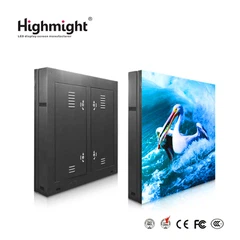
If you're using our High Resolution Outdoor Flexible Module, an HDMI cable can ensure that you get sharp and clear images and smooth video playback. However, keep in mind that the length of the HDMI cable can also affect the signal quality. For longer distances, you might need to use an HDMI extender or a different type of data cable.


Another type of data cable you might encounter is the DVI cable. DVI, or Digital Visual Interface, is mainly used for transmitting digital video signals. It doesn't carry audio signals like HDMI, so you'll need a separate audio cable if you want to have sound. DVI cables are still used in some older media players and displays, so if you have an older setup, this might be the cable you need.
For those who want to go wireless, there are also wireless data transmission options available. Wireless HDMI transmitters and receivers can be used to send video and audio signals from the media player to the flexible LED display without the need for cables. This can be a great solution if you want to avoid cable clutter or if your display is difficult to reach with cables. However, wireless connections can be affected by interference from other electronic devices, so the signal quality might not be as reliable as a wired connection.
In addition to power and data cables, you might also need control cables. These cables are used to control the settings of the flexible LED display, such as brightness, contrast, and color temperature. The control cable usually connects the media player or a control panel to the display. Some flexible LED displays come with a built - in control system that can be controlled via a USB cable or a network cable.
When choosing control cables, make sure that they are compatible with your display's control system. Using the wrong control cable can prevent you from adjusting the display settings properly.
Now, let's talk about the importance of cable quality. Using high - quality cables is essential for the performance and longevity of your flexible LED display. Cheap or low - quality cables can cause signal loss, interference, and even damage to the display or the media player. So, it's worth investing in good - quality cables from a reputable manufacturer.
When you're purchasing cables, look for cables that are certified and tested for quality. For example, HDMI cables should be HDMI 2.0 or higher for the best performance. Power cables should have the appropriate voltage and amperage ratings to ensure safe and efficient operation.
If you're still not sure which cables you need for your specific setup, don't worry! Our team of experts is here to help. We've been in the flexible LED display business for a long time, and we know all about the different types of cables and how to connect them properly.
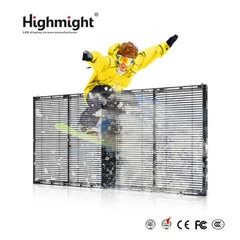
Whether you're setting up a small indoor display for a retail store or a large outdoor display for an event, we can provide you with the right cables and the guidance you need. We offer a wide range of flexible LED displays, including our High transparency LED crystal film screen, and we can help you find the perfect cable solution for your needs.
If you're interested in purchasing a flexible LED display or need more information about the cables, feel free to reach out to us. We're always happy to have a chat and discuss your requirements. You can start a conversation with us to explore the best options for your project and get a quote. Let's work together to create a stunning visual experience with our flexible LED displays!
References
- General knowledge of LED display technology and cable types from industry experience.
- Product specifications of flexible LED displays and related cables.


