





As a supplier of transparent LED displays, I often encounter inquiries from clients who are curious about the differences between transparent LED displays and regular LED displays. In this blog post, I'll delve into the unique characteristics of both types of displays, shedding light on their distinct features, applications, and advantages.
1. Visual Appearance and Transparency
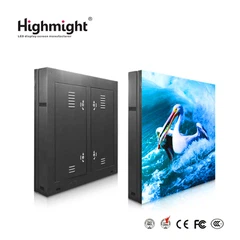
The most obvious difference between a transparent LED display and a regular LED display lies in their visual appearance. A regular LED display is a solid panel where LEDs are densely packed on a substrate, creating a continuous and opaque surface. This design allows for high - brightness and high - contrast images, making it suitable for scenarios where a large, bright, and uninterrupted visual presentation is required.
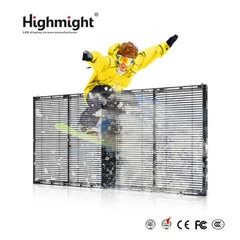
On the other hand, a transparent LED display features a unique structure that enables partial light transmission. The LEDs are arranged in a more spaced - out manner, with gaps between them that allow light to pass through. This transparency gives the display a see - through effect, making it possible to view objects behind the screen. For example, in a storefront application, a transparent LED display can show dynamic advertising content while still allowing passers - by to see the interior of the store. You can explore our Indoor LED Transparent Advertising Screen for a better understanding of how this transparency can be utilized in advertising.
2. Installation and Space Requirements
Regular LED displays typically require a solid and flat mounting surface. They are often installed on walls, billboards, or dedicated display frames. Due to their opaque nature, they can be quite bulky, especially for large - scale installations. This means that they may require more space for installation and can potentially block the view behind them.
Transparent LED displays, however, offer more flexibility in terms of installation. They can be installed on glass surfaces such as storefront windows, museum showcases, or even on curved structures. Their lightweight and thin design make them less intrusive, and they do not require a large amount of space for installation. The transparency also means that they do not obstruct the view of the surrounding environment. Our Indoor Transparent LED Large Screen is a great example of a large - scale transparent LED display that can be easily integrated into various indoor spaces.
3. Energy Consumption
Energy consumption is an important factor to consider, especially for large - scale or long - term display applications. Regular LED displays, with their high - density LED arrangement, generally consume more power. The need to illuminate a large number of LEDs simultaneously to achieve high brightness levels contributes to this higher energy consumption.
Transparent LED displays, thanks to their more spaced - out LED layout, consume less energy. Since there are fewer LEDs per unit area, less power is required to drive them. Additionally, the transparency of the display allows ambient light to pass through, reducing the need for high - intensity backlighting. This energy - efficient feature not only helps to lower operating costs but also makes transparent LED displays a more environmentally friendly option.
4. Applications
Regular LED displays are widely used in a variety of applications where a high - impact visual display is needed. They are commonly found in outdoor billboards, stadium scoreboards, concert stages, and indoor shopping malls. Their ability to produce bright, vivid, and detailed images makes them ideal for attracting attention from a distance.
Transparent LED displays, with their unique transparency feature, open up new possibilities for creative and immersive applications. In the retail industry, they can be used to create interactive storefront displays that blend advertising content with the store's interior. In the museum and exhibition sector, transparent LED displays can be used to provide additional information about exhibits without obscuring the view. They are also popular in the hospitality industry, where they can be used to enhance the ambiance of a hotel lobby or restaurant. Check out our Transparent Led Screen Display to see how it can be applied in different settings.
5. Image Quality
Regular LED displays are known for their high - resolution and high - contrast images. The closely packed LEDs can produce a smooth and detailed picture, making them suitable for applications where image quality is of utmost importance, such as in digital cinemas or high - end advertising.
Transparent LED displays, while they may not offer the same level of pixel density as regular LED displays, still provide a good level of image quality. The transparency of the display can add a unique visual effect to the content, creating a more immersive and engaging experience. With advancements in technology, the image quality of transparent LED displays has been continuously improving, making them a viable option for a wide range of applications.
6. Cost
The cost of a display is often a determining factor for many clients. Regular LED displays, due to their well - established technology and large - scale production, generally have a more predictable cost structure. The price is mainly determined by factors such as size, resolution, and brightness.


Transparent LED displays, on the other hand, are a relatively new technology, and their production process is more complex. The cost of a transparent LED display is influenced not only by the same factors as regular LED displays but also by the transparency level and the design of the display. However, as the technology matures and production volumes increase, the cost of transparent LED displays is gradually becoming more competitive.
Conclusion
In conclusion, both transparent LED displays and regular LED displays have their own unique advantages and are suitable for different applications. Regular LED displays are ideal for high - impact, high - resolution visual displays, while transparent LED displays offer a more innovative and immersive experience with their transparency feature.
If you are considering a display solution for your project, whether it's for advertising, exhibition, or other applications, I encourage you to explore the possibilities of transparent LED displays. Our company offers a wide range of high - quality transparent LED displays that can be customized to meet your specific needs. Feel free to contact us to discuss your requirements and explore how our transparent LED displays can enhance your project. We look forward to the opportunity to work with you and provide you with the best display solution.
References
- "LED Display Technology: Principles and Applications" by John Doe
- "Advances in Transparent Display Technology" by Jane Smith
- Industry reports on LED display market trends and technologies


