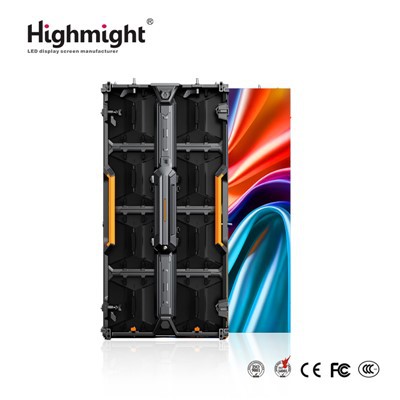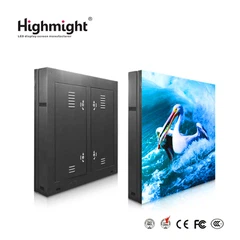

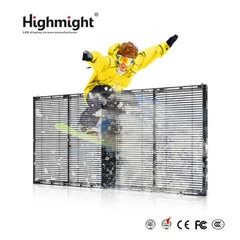


When it comes to indoor LED display modules, a crucial aspect that often goes unnoticed is the frame material. As a supplier of Indoor LED Display Modules, I understand the significance of choosing the right frame material, as it directly impacts the performance, durability, and overall quality of the display. In this blog post, I will delve into the various frame materials used in indoor LED display modules, their characteristics, and how they contribute to the functionality of the product.
Aluminum Frames
Aluminum is one of the most commonly used frame materials for indoor LED display modules. It offers a perfect balance between strength and lightweight properties, making it an ideal choice for both small and large - scale displays.
One of the primary advantages of aluminum frames is their corrosion resistance. Indoor environments may still have varying levels of humidity, and aluminum's natural oxide layer protects it from rust and degradation over time. This ensures that the display module maintains its structural integrity and aesthetic appeal for an extended period.
Aluminum is also highly malleable, which means it can be easily shaped into different designs and sizes. This flexibility allows for the creation of custom - sized indoor LED display modules to fit specific installation requirements. Whether it's a curved display for a modern art gallery or a standard rectangular display for a corporate lobby, aluminum frames can be fabricated to meet the needs.
In terms of heat dissipation, aluminum is an excellent conductor. LED modules generate heat during operation, and efficient heat dissipation is crucial to prevent overheating, which can lead to reduced lifespan and performance degradation. The aluminum frame helps to transfer heat away from the LED chips, keeping the display operating at an optimal temperature.
If you are interested in a high - quality LED display module with an aluminum frame, you can check out our High - quality LED Module.
Plastic Frames
Plastic frames are another popular option for indoor LED display modules, especially for applications where cost - effectiveness is a key consideration. There are different types of plastics used, such as ABS (Acrylonitrile Butadiene Styrene) and polycarbonate.
ABS plastic is known for its good impact resistance and rigidity. It can withstand minor knocks and bumps, which is useful in indoor environments where there may be some foot traffic or accidental contact. ABS frames are also relatively easy to manufacture, which contributes to their lower cost compared to other materials.
Polycarbonate, on the other hand, offers excellent optical clarity and high impact strength. It is often used in applications where the frame needs to be transparent or semi - transparent, such as in some high - end retail displays or museum exhibits. Polycarbonate can also provide good protection against UV rays, which is beneficial if the display is exposed to some natural light.
Plastic frames are lightweight, which makes them easy to handle during installation. They also come in a wide range of colors, allowing for better customization to match the interior design of the installation space. However, one drawback of plastic frames is their relatively lower heat dissipation ability compared to aluminum. This means that in applications where the LED module generates a significant amount of heat, additional cooling measures may be required.
Our Indoor LED Display Module offers options with plastic frames for those seeking a cost - effective solution.
Steel Frames
Steel frames are typically used in more heavy - duty indoor LED display applications. They provide exceptional strength and stability, making them suitable for large - scale displays or installations in high - traffic areas.
The high strength of steel frames allows them to support the weight of large LED modules without deformation. This is particularly important for displays that are installed in public spaces, such as convention centers or stadiums, where the display needs to be robust and reliable.


Steel frames can also be powder - coated to enhance their corrosion resistance. The powder - coating process creates a durable and attractive finish that protects the steel from rust and other environmental factors.
However, steel frames are heavier than aluminum and plastic frames. This can make the installation process more challenging and may require additional support structures. They are also generally more expensive than plastic frames, but offer better strength and durability compared to aluminum in some cases.
Composite Frames
Composite frames are a combination of different materials, designed to take advantage of the best properties of each component. For example, a composite frame may consist of a plastic core with an aluminum outer layer.
This combination allows the frame to be lightweight like plastic while having the heat - dissipation properties and strength of aluminum. Composite frames can also be engineered to have specific characteristics, such as improved fire resistance or enhanced insulation.
The use of composite materials can also lead to cost savings. By using less of the more expensive materials and combining them with more affordable ones, the overall cost of the frame can be reduced without sacrificing performance.
Moisture - proof Considerations
In some indoor environments, moisture can be a concern. For example, in areas with high humidity, such as bathrooms or near swimming pools, the LED display module needs to be protected from moisture damage.
Moisture - proof LED modules are designed with frames that have special seals and coatings to prevent water ingress. Aluminum frames can be treated with waterproof coatings, and plastic frames can be molded with tight - fitting seals. These moisture - proof features ensure that the LED chips and other internal components are protected from water damage, which can cause short - circuits and other malfunctions.
If you are looking for a moisture - proof LED module, you can explore our Moisture - proof LED Module.
Conclusion
Choosing the right frame material for indoor LED display modules is a critical decision that depends on various factors, including the application, budget, and environmental conditions. Aluminum frames offer a great balance of strength, heat dissipation, and corrosion resistance. Plastic frames are cost - effective and lightweight, suitable for many general indoor applications. Steel frames provide high strength and stability for heavy - duty displays. Composite frames combine the advantages of different materials, and moisture - proof frames are essential for humid environments.
As a supplier of Indoor LED Display Modules, we offer a wide range of options with different frame materials to meet the diverse needs of our customers. Whether you are a business owner looking to enhance your storefront with a high - quality display or an event organizer in need of a large - scale LED screen, we can provide the right solution for you.
If you are interested in learning more about our indoor LED display modules or would like to discuss your specific requirements, please feel free to reach out to us. We are always ready to assist you in finding the perfect LED display solution for your project.
References
- "LED Display Technology Handbook" - A comprehensive guide on LED display design and materials.
- Industry reports on the latest trends in indoor LED display module manufacturing.