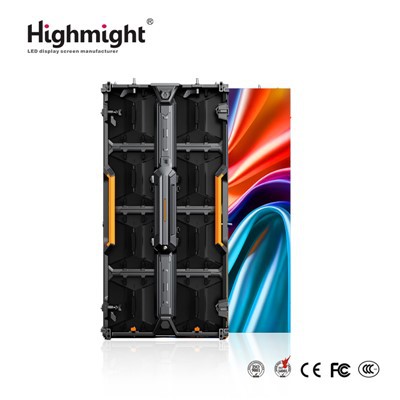



As a supplier of small pitch LED displays, I often encounter inquiries about the frame rate support of these advanced display solutions. Frame rate is a crucial factor that significantly impacts the visual experience, especially in applications where smooth motion and real - time content are essential. In this blog, I'll delve into what frame rate support means for small pitch LED displays and how it affects various use cases.
Understanding Frame Rate
Frame rate refers to the number of individual frames or images that a display can show per second, typically measured in Hertz (Hz). A higher frame rate means more frames are displayed in a given time, resulting in smoother motion. For example, a 60Hz display can show 60 frames every second, while a 120Hz display can show 120 frames per second.
In the context of small pitch LED displays, frame rate support is determined by several factors, including the display's hardware capabilities, the video source, and the control system. The hardware of the LED display, such as the driver chips and the circuit board design, plays a vital role in handling high - frame - rate content. Advanced driver chips are designed to process and transmit data at high speeds, enabling the display to support higher frame rates.
Factors Affecting Frame Rate Support
- Hardware Limitations: The internal components of a small pitch LED display, such as the LED modules and the control cards, have specific data - processing capabilities. Older or lower - end models may have limitations in terms of the maximum frame rate they can support. For instance, some basic small pitch LED displays may only support frame rates up to 60Hz, while high - end models can handle frame rates of 120Hz, 240Hz, or even higher.
- Video Source: The device that provides the video content also affects the frame rate. If the video source, such as a media player or a computer graphics card, cannot output high - frame - rate content, the display will not be able to show it. For example, a standard DVD player typically outputs video at 25Hz or 30Hz, so even if the small pitch LED display can support a higher frame rate, it will be limited by the source.
- Control System: The control system of the LED display is responsible for receiving, processing, and distributing the video data to the individual LED modules. A high - performance control system can handle large amounts of data at high speeds, allowing the display to support higher frame rates. Some control systems are specifically designed for high - frame - rate applications, with features such as real - time data processing and high - speed data transmission.
Importance of Frame Rate in Different Applications
- Entertainment and Gaming: In the entertainment and gaming industries, a high frame rate is essential for providing a smooth and immersive experience. Gamers often prefer displays with a frame rate of 120Hz or higher to reduce motion blur and make fast - paced games more playable. Small pitch LED displays with high frame - rate support can be used in home theaters, gaming arenas, and large - scale entertainment venues to deliver stunning visuals. For example, a Small Pitch Full Color LED Display with a 120Hz frame rate can make action movies and high - intensity games look incredibly smooth.
- Sports Broadcasting: Sports events are full of fast - moving objects, such as athletes running, balls flying, and players making quick maneuvers. A high frame rate is crucial for accurately capturing and displaying these fast - paced actions. Small pitch LED displays used in sports stadiums and broadcast studios need to support high frame rates to provide viewers with a clear and detailed view of the game. A 240Hz frame rate can ensure that every moment of the game is shown smoothly, without any noticeable lag or motion blur.
- Corporate Presentations and Digital Signage: In corporate settings, small pitch LED displays are often used for presentations, conferences, and digital signage. While a high frame rate may not be as critical as in entertainment or sports, it can still enhance the overall visual quality. For example, when showing videos or animations during a presentation, a higher frame rate can make the content look more professional and engaging. An Indoor LED Panel with a decent frame rate can effectively convey information to the audience.
- Advertising: In the advertising industry, small pitch LED displays are used to attract attention and promote products or services. High - frame - rate displays can make advertisements more dynamic and eye - catching. For example, a LED Small Pitch Advertising Display with a 120Hz frame rate can display fast - moving graphics and animations, making the ad stand out from the competition.
How Our Small Pitch LED Displays Excel in Frame Rate Support
At our company, we understand the importance of frame rate support in different applications. That's why we have invested heavily in research and development to ensure that our small pitch LED displays can meet the highest industry standards.


- Advanced Hardware: Our displays are equipped with the latest driver chips and high - performance circuit boards. These components are designed to handle high - speed data processing, enabling our displays to support frame rates of up to 240Hz or even higher in some models.
- Innovative Control Systems: We use state - of - the - art control systems that are optimized for high - frame - rate applications. Our control systems can receive, process, and distribute video data in real - time, ensuring that the display can show high - frame - rate content without any issues.
- Customization Options: We offer customization options to meet the specific needs of our customers. Whether you need a display with a specific frame rate for a gaming application or a corporate presentation, our team of experts can work with you to design and build a solution that meets your requirements.
Choosing the Right Frame Rate for Your Needs
When choosing a small pitch LED display, it's important to consider your specific application and requirements. Here are some guidelines to help you make the right decision:
- Understand Your Application: Determine the type of content you will be displaying and the level of motion involved. If you're using the display for gaming or sports broadcasting, a higher frame rate (120Hz or above) is recommended. For static images or slow - moving content, a lower frame rate may be sufficient.
- Budget Considerations: Higher - frame - rate displays generally come with a higher price tag. Consider your budget and weigh the benefits of a higher frame rate against the cost. In some cases, a slightly lower frame rate may still provide an acceptable visual experience at a more affordable price.
- Future - Proofing: If you anticipate using the display for more demanding applications in the future, it may be worth investing in a display with a higher frame rate. This will ensure that your display can handle new types of content and technologies as they become available.
Conclusion
Frame rate support is a critical aspect of small pitch LED displays, with a significant impact on the visual experience in various applications. As a leading supplier of small pitch LED displays, we are committed to providing our customers with high - quality products that offer excellent frame rate support. Whether you're in the entertainment, sports, corporate, or advertising industry, our displays can meet your needs and deliver stunning visuals.
If you're interested in learning more about our small pitch LED displays and their frame rate support, or if you have specific requirements for your project, we encourage you to contact us. Our team of experts is ready to assist you in choosing the right display solution for your needs and to guide you through the procurement process.
References
- "LED Display Technology Handbook"
- Industry reports on small pitch LED displays
- Technical specifications of LED driver chips and control systems