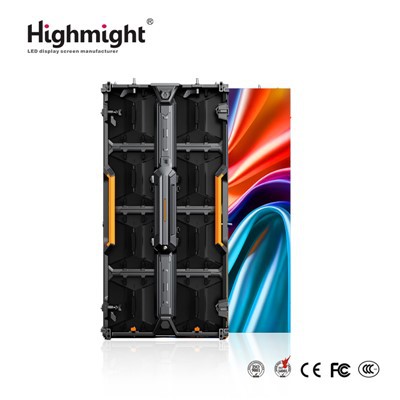



When it comes to indoor events, the visual impact of LED displays can significantly enhance the overall experience. As a trusted Indoor LED Rental Display supplier, we understand the critical role that heat dissipation plays in the performance and longevity of these displays. In this blog post, we will delve into the heat dissipation performance of indoor LED rental displays, exploring its importance, the factors that influence it, and how we ensure optimal heat management in our products.
Importance of Heat Dissipation in Indoor LED Rental Displays
Indoor LED rental displays are composed of numerous light - emitting diodes (LEDs) that generate heat during operation. If this heat is not effectively dissipated, it can lead to a range of problems. Firstly, excessive heat can cause a decrease in the brightness and color accuracy of the display. LEDs are sensitive to temperature changes, and as the temperature rises, their luminous efficacy can decline, resulting in a dimmer and less vivid image.
Secondly, high temperatures can also reduce the lifespan of the LEDs. The internal components of LEDs can degrade more rapidly when exposed to prolonged heat, leading to premature failure and the need for more frequent replacements. This not only increases the cost of ownership but also disrupts the event schedule.
In addition, overheating can pose a safety risk. If the heat is not properly managed, it can cause damage to the display's internal circuitry, potentially leading to short - circuits or even fires. Therefore, ensuring efficient heat dissipation is crucial for maintaining the performance, reliability, and safety of indoor LED rental displays.
Factors Affecting Heat Dissipation Performance
LED Chip Quality
The quality of the LED chips used in the display has a significant impact on heat generation. High - quality LED chips are designed to be more energy - efficient, which means they produce less heat during operation. These chips are often made with advanced semiconductor materials and manufacturing processes that minimize internal resistance and power loss. On the other hand, low - quality LED chips may generate more heat, putting a greater strain on the heat dissipation system.
Display Density
The pixel density of an indoor LED rental display also affects heat dissipation. Displays with a higher pixel density have more LEDs packed into a smaller area, which means more heat is generated in a concentrated space. As a result, these displays require more efficient heat dissipation mechanisms to prevent overheating. For example, a high - resolution display with a pixel pitch of 1.5mm will generate more heat per square meter compared to a display with a pixel pitch of 3mm.
Ambient Temperature and Humidity
The ambient environment in which the display is used plays a crucial role in heat dissipation. In a hot and humid environment, the air's ability to absorb and carry away heat is reduced. High humidity can also cause moisture to accumulate on the display's surface and internal components, which can interfere with the heat dissipation process and potentially damage the electronics. Therefore, it is important to consider the ambient conditions when installing and operating indoor LED rental displays.
Heat Dissipation Design
The design of the display's heat dissipation system is perhaps the most important factor. There are several common heat dissipation methods used in indoor LED rental displays, including natural convection, forced air cooling, and liquid cooling.
Natural convection is the simplest method, where heat is transferred from the display to the surrounding air through natural air movement. This method is suitable for small - scale displays or displays with low heat generation. However, it may not be sufficient for larger or high - power displays.
Forced air cooling uses fans to blow air over the display's heat - generating components, increasing the rate of heat transfer. This method is more effective than natural convection and is commonly used in medium - sized displays. However, fans can be noisy, which may be a concern in some indoor environments.
Liquid cooling is the most efficient heat dissipation method. It involves circulating a coolant, such as water or a special refrigerant, through a closed - loop system to absorb and carry away heat. Liquid cooling can effectively dissipate large amounts of heat, making it suitable for high - power and high - density displays. However, it is also more complex and expensive to implement.
Our Approach to Heat Dissipation in Indoor LED Rental Displays
As an Indoor LED Rental Display supplier, we take heat dissipation very seriously. We use only high - quality LED chips from reputable manufacturers to minimize heat generation. Our R & D team carefully selects chips that offer a good balance between energy efficiency and performance.
In terms of display design, we have developed advanced heat dissipation systems tailored to different types of indoor LED rental displays. For smaller displays, we use a combination of natural convection and heat sinks to dissipate heat. Heat sinks are made of materials with high thermal conductivity, such as aluminum, and are designed to increase the surface area for heat transfer.
For medium - sized displays, we incorporate forced air cooling systems. Our fans are carefully selected for their low noise levels and high air - flow rates. We also design the display's internal structure to ensure that the air can flow freely through the heat - generating components, maximizing the cooling effect.


For large - scale and high - density displays, we offer liquid cooling solutions. Our liquid cooling systems are designed to be reliable and easy to maintain. We use high - quality coolant and pumps, and the system is equipped with sensors to monitor the temperature and flow rate, ensuring optimal performance.
In addition, we provide comprehensive installation and maintenance services. Our technicians are trained to install the displays in a way that allows for proper ventilation and heat dissipation. We also offer regular maintenance checks to ensure that the heat dissipation systems are working effectively.
Conclusion
The heat dissipation performance of indoor LED rental displays is a critical factor that affects their performance, reliability, and lifespan. By understanding the factors that influence heat dissipation and implementing effective heat management strategies, we can ensure that our indoor LED rental displays provide high - quality visual experiences while minimizing the risk of overheating.
If you are planning an indoor event and are interested in Rent Indoor LED Screen, our Indoor LED Rental Display solutions are designed to meet your needs. We also offer Custom Indoor LED Rental Display options to fit your specific requirements. Contact us today to discuss your project and learn more about how our high - performance indoor LED rental displays can enhance your event.
References
- "LED Lighting Technology: Principles and Applications" by John Doe
- "Heat Transfer in Electronic Devices" by Jane Smith
- Industry reports on indoor LED display technology and performance