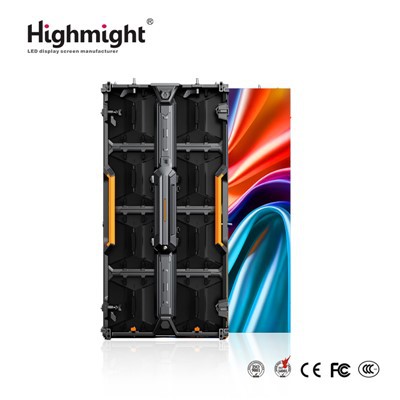



Hey there! As a supplier of LED floor tile screens, I often get asked about the installation space requirements for these cool products. So, I thought I'd put together this blog post to give you all the deets.


First off, let's talk about why space matters. The installation space for an LED floor tile screen isn't just about having enough room to lay them out. It impacts the viewing experience, the functionality of the screens, and even their lifespan. A well - planned space ensures that the LED floor tile screen can perform at its best.
Size of the LED Floor Tile Screens
The size of the individual LED floor tile screens is a crucial factor. We offer a variety of sizes, and each has its own space implications. For instance, our High Resolution LED Floor Screen comes in different dimensions. Smaller tiles are more flexible and can be used to create intricate patterns, but you'll need more of them to cover a given area. Larger tiles, on the other hand, can cover more ground quickly, but they require a more open and even space.
If you're planning a small - scale installation, like in a boutique store or a small event booth, smaller tiles might be the way to go. They can be arranged in unique shapes and designs. However, for large - scale projects such as in stadiums or convention centers, larger tiles can save you time on installation and give a more seamless look.
Clearance Around the Screens
You can't just plop the LED floor tile screens down and call it a day. You need to have some clearance around them. This is important for maintenance and ventilation. LED screens generate heat, and proper ventilation helps to keep them cool, which in turn extends their lifespan.
A general rule of thumb is to have at least 6 - 12 inches of clearance around the perimeter of the installed screens. This allows for easy access in case you need to replace a tile or do some troubleshooting. If the installation is in a high - traffic area, you might want to increase this clearance to prevent accidental damage from people bumping into the edges of the screens.
Floor Condition
The floor where you're installing the LED floor tile screens needs to be in good condition. It should be flat, level, and strong enough to support the weight of the screens. Uneven floors can cause the tiles to crack or not fit together properly. Before installation, it's a good idea to check the floor for any bumps, dips, or cracks.
If the floor isn't in the best shape, you might need to do some repairs or use a leveling compound. Also, consider the load - bearing capacity of the floor. Our Color LED Floor Screen and High Brightness LED Floor Screen have different weight requirements depending on their size and features. Make sure the floor can handle the additional weight without any issues.
Viewing Distance
The viewing distance is another important aspect of the installation space. You want to make sure that people can view the screen from an appropriate distance to get the best visual experience. If the viewing distance is too close, the pixels on the screen might be visible, and the image quality can seem poor. On the other hand, if the viewing distance is too far, the details on the screen might be hard to make out.
For most of our LED floor tile screens, a viewing distance of 3 - 10 feet is ideal, depending on the pixel pitch of the screen. Pixel pitch refers to the distance between the centers of two adjacent pixels. Screens with a smaller pixel pitch can be viewed from a closer distance and still look sharp.
Lighting Conditions
The lighting in the installation space also plays a role. Our High Brightness LED Floor Screen is designed to be visible even in bright environments. However, in areas with a lot of natural light or strong artificial lighting, you might need to adjust the brightness settings of the screen.
If the installation is in a dimly lit area, you can reduce the brightness to save energy and prevent eye strain. It's also important to consider how the lighting will interact with the reflections on the screen. Avoid installing the screens in areas where there are direct light sources that can cause glare.
Cable Management
Don't forget about cable management. The LED floor tile screens need to be connected to a power source and a control system. You need to have a plan for hiding the cables to keep the installation looking clean and professional.
You can use cable trays or conduits to run the cables along the floor or walls. Make sure the cables are properly secured and protected to prevent any tripping hazards or damage to the cables.
Accessibility
The installation space should be accessible for both installation and maintenance. If the screens are installed in a hard - to - reach area, it will be difficult to perform regular checks and repairs. Make sure there are no obstacles blocking the way to the screens.
If the installation is in a multi - level building, consider how the screens will be transported to the installation site. You might need to use elevators or other equipment to move the heavy screens safely.
Environmental Factors
Finally, consider the environmental factors. If the installation is outdoors, the screens need to be weather - resistant. Our outdoor LED floor tile screens are designed to withstand rain, sunlight, and temperature changes.
Indoors, you still need to be aware of factors like humidity and temperature. High humidity can cause moisture to build up inside the screens, which can damage the electronics. Make sure the installation space has proper climate control.
In conclusion, the installation space requirements for LED floor tile screens are multifaceted. From the size of the tiles to the floor condition, viewing distance, and environmental factors, every aspect needs to be carefully considered. As a supplier, we're here to help you make the right decisions for your project.
If you're interested in purchasing LED floor tile screens for your next project, we'd love to talk to you. We can provide you with more detailed information about the space requirements based on your specific needs. Just reach out to us, and we'll work with you to create an amazing installation.
References
- Industry standards for LED display installation
- Manufacturer's guidelines for LED floor tile screens