
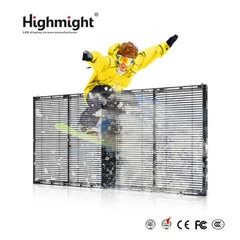


Hey there! As a supplier of Naked Eye 3D Displays, I often get asked about the refresh rate of these cool devices. So, let's dive right in and talk about what the refresh rate of a Naked Eye 3D Display is and why it matters.
First off, what exactly is the refresh rate? In simple terms, the refresh rate of a display is the number of times per second that the screen updates the image it's showing. It's measured in Hertz (Hz). For example, a display with a refresh rate of 60 Hz updates the image 60 times every second.


Now, when it comes to Naked Eye 3D Displays, the refresh rate plays a crucial role in the overall viewing experience. A higher refresh rate generally means smoother motion and less motion blur. In a 3D environment, this is even more important because our eyes are trying to perceive depth, and any blurring or stuttering can disrupt that sense of immersion.
Let's think about it this way. When you're watching a fast - paced action movie in 3D on a Naked Eye 3D Display, a low refresh rate might cause the fast - moving objects to look blurry or have a "jerky" appearance. On the other hand, a high refresh rate ensures that every frame is displayed clearly and smoothly, making the 3D effect more realistic and engaging.
So, what are the typical refresh rates for Naked Eye 3D Displays? Well, it can vary quite a bit. Some entry - level Naked Eye 3D Displays might have a refresh rate of around 60 Hz. This is similar to what you'd find on a lot of regular 2D displays, and it can work okay for less demanding content, like static 3D images or slow - moving videos.
However, for a truly high - end 3D experience, especially for applications like gaming or high - action 3D movies, a refresh rate of 120 Hz or even higher is preferable. Displays with 120 Hz refresh rates can handle fast - moving objects much better, reducing motion blur and providing a more fluid 3D experience.
There are also some advanced Naked Eye 3D Displays that can achieve refresh rates of 240 Hz or more. These super - high refresh rate displays are really pushing the boundaries of what's possible in 3D viewing. They're great for professional applications where absolute smoothness and clarity are essential, like in high - end 3D design studios or virtual reality setups that use Naked Eye 3D technology.
But it's not all about just having a high refresh rate. There are other factors that interact with the refresh rate to determine the overall quality of the 3D image. For example, the resolution of the display matters a lot. A high - resolution display can show more detail in the 3D image, and when combined with a high refresh rate, it can create an incredibly immersive experience.
Another important factor is the technology used in the display. Different types of Naked Eye 3D Displays, such as parallax barrier and lenticular lens displays, have different ways of presenting the 3D image. These technologies can also affect how well the display can handle different refresh rates.
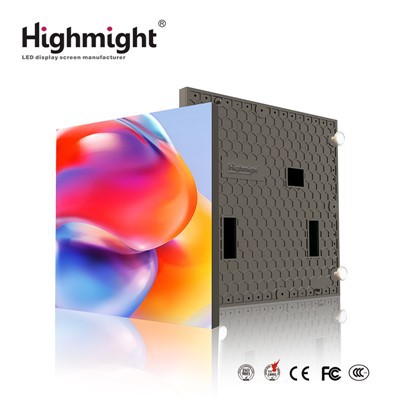
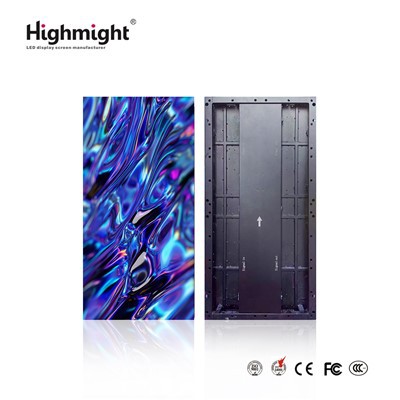
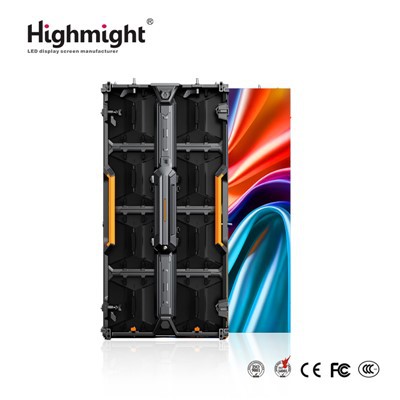
Let's take a look at some of the products we offer as a Naked Eye 3D Display supplier. We have the Naked Eye 3D Advertising Screen, which is designed to attract attention in outdoor environments. These screens usually have a decent refresh rate to ensure that the 3D ads look sharp and engaging. Whether it's a flashy car advertisement or a vibrant product showcase, the right refresh rate helps to make the 3D effect pop.
Our Outdoor Naked Eye 3D LED Screen is another great option. These screens are built to withstand the elements while still providing a top - notch 3D experience. With a carefully calibrated refresh rate, they can display 3D content clearly, even in bright sunlight.
And for those looking for large - scale 3D displays, our Naked Eye 3D LED Large Screen is a fantastic choice. These big screens are perfect for events, stadiums, or large - format advertising. A high refresh rate is essential here to ensure that the 3D content looks great from a distance and that there's no visible lag or blur.
Now, you might be wondering how to choose the right refresh rate for your needs. If you're using the Naked Eye 3D Display for simple advertising or static 3D displays, a 60 - 120 Hz refresh rate might be sufficient. But if you're into gaming, high - end 3D media, or professional applications, you'll want to go for a display with a refresh rate of 120 Hz or higher.
As a supplier, we understand that every customer has different requirements. That's why we offer a range of Naked Eye 3D Displays with different refresh rates and features. Whether you're a small business looking to add some 3D flair to your storefront or a large corporation in need of a state - of - the - art 3D display for a product launch, we've got you covered.
If you're interested in learning more about our Naked Eye 3D Displays or want to discuss which refresh rate would be best for your specific application, we'd love to hear from you. Just reach out to us, and our team of experts will be happy to assist you in making the right choice. We can also provide you with more detailed information about the products, including technical specifications and pricing.
In conclusion, the refresh rate of a Naked Eye 3D Display is a key factor in determining the quality of the 3D viewing experience. A higher refresh rate generally leads to smoother, more realistic 3D images, but it's important to consider other factors like resolution and display technology as well. With our wide range of products and our commitment to providing top - notch customer service, we're confident that we can help you find the perfect Naked Eye 3D Display for your needs. So, don't hesitate to get in touch and start exploring the amazing world of 3D without the need for glasses!
References
- General knowledge of display technology and industry standards
- In - house research and product development data from our Naked Eye 3D Display production