


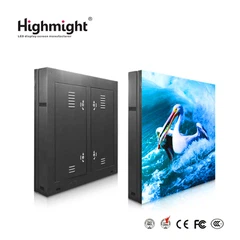

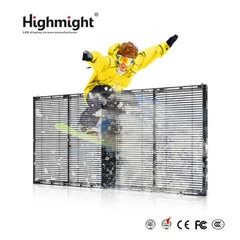


Hey there! As a supplier of outdoor LED modules, I often get asked about the right storage conditions for these nifty devices. In this blog, I'll share all the essential info you need to know to keep your outdoor LED modules in top - notch shape.
First off, let's talk about temperature. Outdoor LED modules are sensitive to extreme temperatures. You don't want to store them in places that are too hot or too cold. High temperatures can cause the components inside the modules to expand. This expansion might lead to internal stress, which could damage the soldering joints or even cause some of the electronic parts to malfunction. On the other hand, extremely low temperatures can make the materials brittle. For instance, the plastic housing of the LED modules can become more prone to cracking.
The ideal temperature range for storing outdoor LED modules is between 10°C and 30°C (50°F and 86°F). If you're in a region where the temperature goes way beyond this range, you might need to invest in a climate - controlled storage area. Some people use storage units with air - conditioning or heating systems to maintain a stable temperature. It's a bit of an expense, but it can save you a lot of money in the long run by preventing module damage.
Humidity is another crucial factor. Moisture is the enemy of electronic devices, and outdoor LED modules are no exception. High humidity levels can lead to corrosion of the metal parts in the modules. Corrosion can disrupt the electrical connections, which will affect the performance of the LEDs. It can also cause mold growth on the surface of the modules, especially if they are stored for a long time.
To combat humidity, aim for a relative humidity level of between 30% and 60%. You can use dehumidifiers in your storage space to reduce humidity. If you're in a particularly humid area, you might want to consider using moisture - absorbing packets inside the packaging of the LED modules. These packets can help keep the immediate environment around the modules dry.
Light exposure is something that many people overlook. Prolonged exposure to direct sunlight or intense artificial light can have a negative impact on the LEDs. Ultraviolet (UV) rays in sunlight can degrade the materials used in the modules, such as the lenses and the protective coatings. This degradation can reduce the brightness and color accuracy of the LEDs over time.
So, it's best to store outdoor LED modules in a dark or dimly lit area. If you have to use lighting in the storage space, choose low - intensity, non - UV lights. You can also use opaque covers or storage containers to block out light.
Dust and dirt can also cause problems for outdoor LED modules. Dust particles can accumulate on the surface of the modules and block the light output. They can also get inside the modules through small openings, which might interfere with the internal components.
To keep dust at bay, make sure your storage area is clean. Regularly sweep and mop the floors, and use air filters if possible. You can also store the LED modules in sealed containers or bags to prevent dust from getting to them.
Now, let's talk about handling during storage. When you're moving the outdoor LED modules around in the storage area, be gentle. Rough handling can cause physical damage to the modules, such as cracked lenses or bent pins. Always carry the modules by their sturdy parts and avoid putting pressure on the delicate components.
It's also a good idea to organize your storage space properly. Label the boxes or containers where you store the LED modules. This will make it easier to find the specific modules you need when it's time for installation. You can label them by model number, size, or any other relevant information.
Another aspect to consider is the packaging. The original packaging of the outdoor LED modules is designed to provide some level of protection during storage and transportation. Keep the modules in their original packaging as much as possible. If the original packaging is damaged, you can use similar high - quality packaging materials to replace it.
If you're storing a large number of outdoor LED modules, you might want to rotate your stock. This means using the oldest modules first. LEDs can degrade over time, even if they are stored under ideal conditions. By rotating your stock, you can ensure that you're using the modules before their performance starts to decline significantly.
Now, I'd like to mention some of the great outdoor LED modules we offer at our company. We have a wide range of Outdoor LED Display Module that are suitable for various outdoor applications. Whether you need them for advertising billboards, stadium displays, or public information boards, we've got you covered.
Our Energy - saving Outdoor LED Modules are also a popular choice. These modules are designed to consume less power while still providing high - quality lighting. They are not only good for the environment but also for your wallet in terms of energy costs.
If you're in the market for outdoor LED modules, we'd love to hear from you. We can provide you with the best - quality modules at competitive prices. Whether you're a small business owner looking to upgrade your outdoor signage or a large construction company working on a big - scale project, we can meet your needs. Reach out to us to start a discussion about your requirements and let's see how we can work together.
In conclusion, proper storage of outdoor LED modules is essential to ensure their longevity and performance. By controlling temperature, humidity, light exposure, dust, and handling, you can keep your modules in great condition. And if you're looking for reliable outdoor LED modules, we're here to help.
References:


- General knowledge of electronic device storage
- Industry best practices for LED module storage


