


What is the Weight of a Flexible LED Display?
As a supplier of flexible LED displays, I often receive inquiries about various aspects of our products, and one question that comes up quite frequently is about the weight of a flexible LED display. Understanding the weight of these displays is crucial for several reasons, including installation, transportation, and overall structural requirements. In this blog post, I will delve into the factors that influence the weight of flexible LED displays and provide some general insights to help you better understand this important characteristic.
Factors Affecting the Weight of Flexible LED Displays
1. Size of the Display
One of the most significant factors that determine the weight of a flexible LED display is its size. Naturally, larger displays will weigh more than smaller ones. This is because a larger display requires more LED modules, a larger frame (if applicable), and more electrical components to power and control the LEDs. For example, a small, handheld flexible LED sign might weigh only a few ounces, while a large, wall - sized flexible LED display used for advertising in a shopping mall could weigh several hundred pounds.
2. Pixel Pitch
Pixel pitch refers to the distance between the centers of two adjacent pixels on an LED display. A smaller pixel pitch means that there are more LEDs packed into a given area, which generally results in a higher - resolution display. However, more LEDs also mean more weight. Displays with a fine pixel pitch, such as those used for indoor applications where high - quality visuals are required, will typically be heavier than those with a coarser pixel pitch, which are often used for outdoor applications at a greater viewing distance.
3. Type of LED Modules
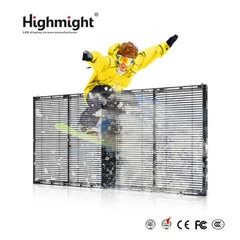
There are different types of LED modules available for flexible LED displays, and each type has its own weight characteristics. For instance, High transparency LED crystal film screen is designed to be lightweight and highly transparent. These modules are often used for indoor advertising where the display needs to blend in with the surrounding environment while still providing a clear visual message. On the other hand, High Resolution Outdoor Flexible Module are built to withstand harsh outdoor conditions, which may require more robust construction and additional protective layers, resulting in a heavier weight.
4. Material of the Substrate
The substrate is the base material on which the LED chips are mounted. Different substrates have different weights. Flexible LED displays can use substrates made of materials such as polycarbonate, silicone, or other flexible polymers. Some substrates are designed to be lightweight and flexible, while others may be more rigid and heavier to provide better support for the LEDs. For example, a display with a silicone substrate might be lighter and more flexible compared to one with a thicker polycarbonate substrate.
5. Additional Features
Some flexible LED displays come with additional features such as built - in speakers, sensors, or special coatings. These features can add to the overall weight of the display. For example, a display with integrated speakers will need to have the necessary audio components, which will increase its weight. Similarly, a display with a waterproof or anti - glare coating will have an extra layer of material, contributing to a higher weight.
Typical Weight Ranges
To give you a better idea of the weight of flexible LED displays, here are some general weight ranges based on different applications:
Indoor Small - to - Medium - Sized Displays
For indoor flexible LED displays with a size ranging from a few square feet to around 10 square feet, the weight can typically range from 5 to 20 pounds. These displays are often used for point - of - sale advertising, trade show booths, or small - scale indoor events. They usually have a relatively fine pixel pitch for high - quality visuals and are made with lightweight materials to facilitate easy installation and portability.
Indoor Large - Sized Displays
Indoor large - sized flexible LED displays, such as those used in shopping malls, theaters, or corporate lobbies, can weigh anywhere from 50 to 200 pounds or more, depending on the size and pixel pitch. These displays are designed to make a big impact and often require a more substantial support structure to hold their weight.
Outdoor Displays
Outdoor flexible LED displays are generally heavier due to the need for more robust construction to withstand weather conditions. A small outdoor flexible LED display, say around 5 square feet, might weigh around 20 to 30 pounds. Larger outdoor displays, used for billboards or large - scale outdoor advertising, can weigh several hundred pounds or even more, especially if they have a high - resolution and are built to be very durable.
Importance of Considering Weight
Installation
When it comes to installing a flexible LED display, the weight is a crucial factor. The installation surface needs to be able to support the weight of the display. For example, if you are installing a display on a wall, the wall must be strong enough to hold the weight without any risk of collapse. In some cases, additional support structures may need to be installed to ensure the safety and stability of the display.
Transportation
The weight of the display also affects transportation. Heavier displays may require special handling equipment and larger vehicles for transportation. This can increase the cost of shipping and may also require more careful planning to ensure that the display is not damaged during transit.
Structural Requirements
In addition to the installation surface, the overall structural design of the area where the display will be placed needs to take the weight into account. For example, in a suspended ceiling installation, the ceiling structure must be able to support the weight of the display without sagging or causing any damage to the ceiling.
Conclusion
In conclusion, the weight of a flexible LED display is influenced by multiple factors, including size, pixel pitch, type of LED modules, substrate material, and additional features. Understanding these factors is essential for making informed decisions when choosing a flexible LED display for your specific application. Whether you are looking for a lightweight and portable display for indoor use or a heavy - duty outdoor display, it is important to consider the weight in relation to installation, transportation, and structural requirements.


If you are interested in purchasing a flexible LED display and need more information about the weight and other specifications, please feel free to contact us for a detailed consultation. We are here to help you find the perfect flexible LED display solution for your needs.
References
- LED Display Technology Handbook
- Industry Reports on Flexible LED Displays