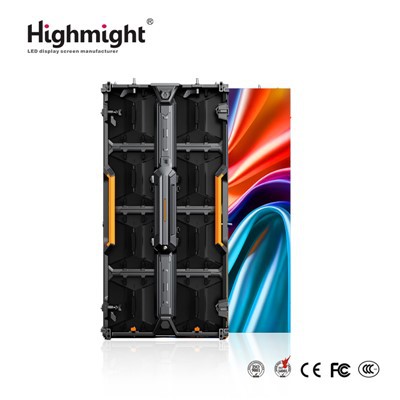



Hey there! I'm a supplier of High - quality LED Modules, and today I want to chat with you about whether these high - quality LED modules are suitable for hospital lighting.
First off, let's talk about what makes a good lighting system in a hospital. Hospitals are unique places. They're not just buildings; they're centers of healing, places where patients come to get better, and where medical staff work around the clock to provide the best care possible. So, the lighting in a hospital has to meet a bunch of different needs.
1. Illumination Quality
One of the most important things in a hospital is proper illumination. Medical staff need to be able to see clearly when they're performing surgeries, examining patients, or reading medical records. High - quality LED modules are great at this. They can provide a bright, uniform light that's similar to natural daylight. This is super important because it helps reduce eye strain for doctors and nurses. When they can see well, they're less likely to make mistakes during procedures.
For example, in an operating room, the lighting needs to be just right. It can't have any shadows, and it has to cover the entire area evenly. High - quality LED modules can be designed to do exactly that. They can be arranged in a way that provides a focused, shadow - free light, which is crucial for the success of surgical operations.
2. Color Rendering Index (CRI)
The Color Rendering Index is another key factor. It measures how accurately a light source can reproduce the colors of objects compared to natural light. In a hospital, a high CRI is essential. Doctors need to be able to accurately assess the color of a patient's skin, the color of bodily fluids, and the color of medical equipment. A high - quality LED module usually has a high CRI, often above 90. This means that the colors they show are very close to what you'd see in natural light. For instance, if a doctor is looking at a patient's rash, a high - CRI light will let them see the true color and texture of the rash, which can be vital for making an accurate diagnosis.


3. Energy Efficiency
Hospitals are big buildings that use a lot of energy. Energy costs can be a significant part of a hospital's budget. High - quality LED modules are extremely energy - efficient. They use much less electricity than traditional lighting sources like incandescent bulbs or fluorescent tubes. This not only helps hospitals save money on their energy bills but also reduces their environmental impact. Over time, the savings on energy can be substantial, and it's a win - win situation for both the hospital and the planet.
4. Durability and Longevity
In a hospital, lighting fixtures need to be reliable. They can't break down easily because that could cause disruptions in patient care. High - quality LED modules are known for their durability. They have a long lifespan, often lasting tens of thousands of hours. This means that hospitals don't have to replace the lighting fixtures as often, which saves them time and money on maintenance. For example, in a busy emergency department, you don't want the lights to go out suddenly. With high - quality LED modules, the chances of that happening are much lower.
5. Dimmability
Different areas in a hospital have different lighting requirements. For example, patient rooms might need to have adjustable lighting. Patients may want the lights to be dimmed at night so they can sleep better. High - quality LED modules can be easily dimmed. This allows hospitals to create a more comfortable environment for patients, which is important for their recovery. And in areas like exam rooms, the lighting can be adjusted according to the specific needs of the examination.
6. Hygiene
Hospitals need to maintain a high level of hygiene. Traditional lighting sources can collect dust and dirt, which can be a breeding ground for bacteria. High - quality LED modules are often designed with smooth surfaces that are easy to clean. Some are even Moisture - proof LED Module, which is great for areas like bathrooms or surgical suites where there might be moisture. This helps hospitals keep their lighting fixtures clean and reduces the risk of infections.
7. Flicker - Free
Flickering lights can cause headaches and eye strain, and in a hospital, that's the last thing you want. High - quality LED modules are designed to be flicker - free. This is especially important in areas where patients are sensitive, like neonatal intensive care units or psychiatric wards. A stable, flicker - free light provides a more comfortable and stress - free environment for both patients and staff.
Potential Drawbacks?
Of course, nothing is perfect. Some people might say that high - quality LED modules can be more expensive upfront compared to traditional lighting sources. But when you consider the long - term savings on energy and maintenance, it's often worth the investment. Also, there have been some concerns about the blue light emitted by LEDs. Blue light can disrupt the body's natural sleep - wake cycle. However, many high - quality LED modules now come with adjustable color temperatures, which can help reduce the amount of blue light at night.
Conclusion
So, are high - quality LED modules suitable for hospital lighting? In my opinion, the answer is a resounding yes. They offer so many benefits in terms of illumination quality, energy efficiency, durability, and hygiene. They can help hospitals create a better environment for patients and staff, and they can also save hospitals money in the long run.
If you're in charge of a hospital's lighting system or if you're involved in the procurement process, I'd highly recommend considering high - quality LED modules. You can check out our High - quality LED Module products, which are designed to meet all the requirements of hospital lighting. And if you're interested in indoor displays for waiting areas or other parts of the hospital, we also have Indoor Led Display options.
If you have any questions or if you're interested in discussing a potential purchase, feel free to get in touch. I'm always happy to have a chat and see how we can help you meet your lighting needs.
References
- "Lighting for Healthcare Facilities" by the Illuminating Engineering Society (IES)
- "LED Lighting Technology and Applications" by various industry experts