


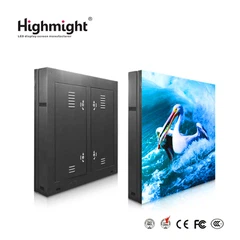

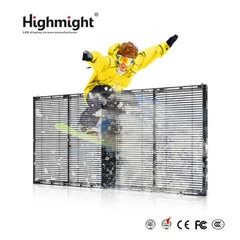


As a seasoned supplier of indoor LED modules, I often encounter a frequently asked question from customers: Are indoor LED modules waterproof? This question is not only crucial for customers planning to use these modules but also significant for understanding the proper application and maintenance of our products. In this blog, I will delve into the waterproof characteristics of indoor LED modules, explore relevant influencing factors, and clarify common misconceptions.
Understanding Indoor LED Modules
Before discussing waterproofing, it's essential to understand what indoor LED modules are. Indoor LED modules are a type of display device composed of multiple LED lights. They are widely used in various indoor settings, such as shopping malls, theaters, conference rooms, and exhibition halls. These modules are designed to provide high - quality visual displays, with features like high brightness, high contrast, and vivid colors. You can find a wide range of Indoor LED Display Module on our website, each tailored to different indoor applications.
Waterproof Capabilities of Indoor LED Modules
In general, indoor LED modules are not inherently waterproof. The reason lies in their design and intended use. They are engineered to operate in a relatively stable indoor environment, where there is no direct exposure to rain, water splashes, or high - humidity conditions.
Most indoor LED modules are built with a focus on optimizing display performance rather than waterproofing. Their internal components, such as circuit boards and LED chips, are sensitive to moisture. When water comes into contact with these components, it can cause short - circuits, corrosion, and ultimately lead to the failure of the module.
However, this does not mean that all indoor LED modules are completely vulnerable to water. Some manufacturers may apply certain protective coatings or design elements to enhance the water - resistance of their indoor LED modules to a certain extent. For example, a thin layer of conformal coating can be applied to the circuit board to protect it from minor moisture. But these measures are usually not sufficient to withstand significant water exposure.
Factors Affecting Waterproof Performance
Several factors can influence the waterproof performance of indoor LED modules, even if they are not designed to be fully waterproof.
1. Sealing Design
The sealing design of the module plays a vital role. A well - sealed module can prevent water from seeping into the internal components. For instance, the use of rubber gaskets around the edges of the module can create a barrier against water ingress. However, in indoor LED modules, the sealing is often not as robust as that in outdoor modules because the expected water exposure is minimal.
2. Component Quality
The quality of the internal components also affects waterproof performance. High - quality components are generally more resistant to moisture and corrosion. For example, using corrosion - resistant metals for the connectors can reduce the risk of damage caused by water.
3. Environmental Conditions
Even in an indoor environment, the local humidity and potential water sources need to be considered. Areas with high humidity, such as near swimming pools or in basements, can pose a greater risk to indoor LED modules. Additionally, accidental water spills, such as from a drink or a leaky roof, can also damage the modules.
Common Misconceptions
There are some common misconceptions about the waterproofing of indoor LED modules.
1. "A Little Water Won't Hurt"
Some people believe that a small amount of water splashing on the module will not cause any significant damage. In fact, even a small drop of water can penetrate the module and cause a short - circuit, especially if it lands on a critical component.
2. "Outdoor Modules Can Be Substituted for Indoor Ones"
Some may think that using outdoor waterproof LED modules indoors is a better choice. While outdoor modules are more waterproof, they are often over - engineered for indoor use. They may be more expensive and may not offer the same level of display performance optimized for indoor environments. Moreover, their larger size and different design may not fit well into indoor settings.
Applications of Indoor LED Modules and Waterproofing Considerations
Indoor LED modules have a wide range of applications, and different applications require different levels of attention to waterproofing.
1. Retail Spaces
In shopping malls and stores, indoor LED modules are used for advertising displays, product showcases, and wayfinding signs. These areas are usually dry, but there is still a risk of accidental water spills from cleaning activities or customer drinks. In such cases, it's advisable to place the modules in a protected location or use a simple protective cover.


2. Entertainment Venues
Theaters and concert halls use indoor LED modules for stage backdrops and special effects. Although these are indoor spaces, there may be water - based special effects or high - humidity conditions due to the large number of people. Ensuring proper ventilation and a reasonable distance from potential water sources is crucial.
3. Conference Rooms
In conference rooms, indoor LED modules are used for presentations and video conferencing. These environments are typically dry, but it's still important to protect the modules from any accidental water damage, such as from a leaking air - conditioner.
Alternatives for Wet or High - Humidity Indoor Environments
If you need to use LED modules in an indoor environment with a higher risk of water exposure, such as a bathroom or a kitchen, you may consider some alternatives.
1. Transparent LED Advertising Screen
Some transparent LED advertising screens are designed with enhanced water - resistance features. They can be used in areas where there is a small amount of water splashing or high humidity. These screens offer a unique visual effect while still being relatively protected from water damage.
2. Outdoor - Grade Indoor Use
In some cases, you can use outdoor - grade LED modules indoors. However, as mentioned earlier, this should be carefully considered due to cost and design compatibility. Outdoor Large Screen Display can be used if the indoor space has a high - risk of water exposure, but make sure to choose a model that fits the indoor aesthetic and requirements.
Conclusion
In conclusion, indoor LED modules are generally not waterproof. They are designed for a stable indoor environment, and water exposure can cause significant damage to their performance and lifespan. However, by understanding the factors that affect their waterproof performance and taking appropriate precautions, you can minimize the risk of water - related failures.
If you are considering purchasing indoor LED modules for your project, it's important to assess the environment where the modules will be installed. If there is a potential for water exposure, consult with a professional to determine the best solution. Whether it's choosing a module with enhanced water - resistance features or implementing protective measures, making the right decision can ensure the long - term performance of your LED display.
We are a leading supplier of indoor LED modules, and we are committed to providing high - quality products and professional advice. If you have any questions or need to discuss your specific requirements for indoor LED modules, please feel free to contact us. We look forward to having in - depth discussions with you and assisting you in making the best purchasing decision.
References
- LED Display Handbook: A Comprehensive Guide to LED Technology and Applications
- Journal of Display Technology: Research on the Impact of Moisture on LED Module Performance


