


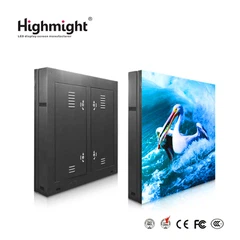

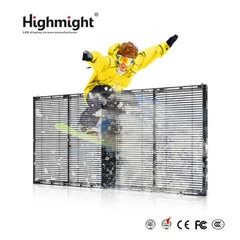


Hey there! I'm a supplier of LED modules, and I often get asked how to connect multiple LED modules together. It's a common question, especially for those who are new to working with LEDs or are looking to create larger, more complex displays. In this blog post, I'll walk you through the process step by step, share some tips and tricks, and even point you to some of our awesome products that can take your LED projects to the next level.
Why Connect Multiple LED Modules?
Before we dive into the how-to, let's talk about why you might want to connect multiple LED modules in the first place. There are a few reasons:
- Size and Scale: If you want to create a large LED display, like a High Resolution LED Floor Screen for an event or a LED Outdoor Full Color Screen for advertising, you'll need to combine multiple modules to achieve the desired size.
- Customization: Connecting modules allows you to create custom shapes and patterns. You can design unique displays that stand out from the crowd and meet your specific needs.
- Enhanced Functionality: By connecting multiple modules, you can increase the overall brightness, resolution, and functionality of your display. For example, you might want to create a Naked Eye 3D LED Large Screen that requires multiple modules to work together.
What You'll Need
Before you start connecting your LED modules, you'll need a few things:
- LED Modules: Obviously, you'll need the LED modules themselves. Make sure they are compatible with each other in terms of voltage, signal type, and pixel pitch.
- Power Supply: You'll need a power supply that can provide enough voltage and current to power all of your modules. Check the specifications of your modules to determine the appropriate power supply.
- Data Cable: A data cable is used to transmit the control signals between the modules. Make sure the cable is long enough to reach all of your modules and is compatible with the signal type of your modules.
- Soldering Iron (Optional): If your modules require soldering for connections, you'll need a soldering iron and some solder. However, many modern modules use plug-and-play connectors, so soldering may not be necessary.
Step-by-Step Guide to Connecting LED Modules
Now that you have everything you need, let's get started! Here's a step-by-step guide to connecting multiple LED modules together:
Step 1: Plan Your Layout
Before you start connecting anything, take some time to plan out your layout. Decide how you want to arrange your modules and how many you'll need. Consider the size, shape, and orientation of your display, as well as any specific requirements or constraints.
Step 2: Prepare Your Modules
Once you have your layout planned, it's time to prepare your modules. If your modules require soldering, carefully solder the appropriate connections according to the manufacturer's instructions. If your modules use plug-and-play connectors, simply connect the cables to the modules.
Step 3: Connect the Power Supply
Next, connect the power supply to your modules. Make sure the voltage and current ratings of the power supply match the requirements of your modules. Connect the positive and negative terminals of the power supply to the corresponding terminals on your modules.
Step 4: Connect the Data Cable
Now it's time to connect the data cable between the modules. Start by connecting the data cable to the first module in your layout. Then, connect the other end of the data cable to the next module, and so on. Make sure the cable is securely connected and that the signal is flowing in the correct direction.
Step 5: Test Your Connection
Once you have all of your modules connected, it's time to test your connection. Turn on the power supply and check to see if all of your modules are working properly. If you notice any issues, such as flickering or non-responsive modules, double-check your connections and make sure everything is properly connected.
Step 6: Fine-Tune Your Display
If everything is working properly, you can start fine-tuning your display. Adjust the brightness, color, and other settings to achieve the desired look and feel. You may also want to use a control software or controller to program your display and create custom effects.
Tips and Tricks
Here are some tips and tricks to help you connect your LED modules more effectively:


- Use a Wiring Diagram: A wiring diagram can help you visualize your layout and ensure that all of your connections are correct. You can find wiring diagrams online or create your own using a software program.
- Label Your Cables: To avoid confusion, label your cables and connections. This will make it easier to troubleshoot any issues that may arise and to make changes to your layout in the future.
- Use a Power Distribution Board: If you're connecting a large number of modules, a power distribution board can help you distribute the power evenly and reduce the risk of overloading the power supply.
- Test Your Modules Individually: Before connecting all of your modules together, test each module individually to make sure it's working properly. This will help you identify any faulty modules and replace them before you start connecting them together.
Conclusion
Connecting multiple LED modules together may seem like a daunting task, but with the right tools and knowledge, it's actually quite simple. By following the steps outlined in this blog post and using the tips and tricks provided, you'll be able to create large, custom LED displays that are sure to impress.
If you're interested in purchasing LED modules for your next project, or if you have any questions or need further assistance, please don't hesitate to contact us. We're here to help you bring your ideas to life and create stunning LED displays that stand out from the crowd.
References
- LED Module Installation Guide (Manufacturer's Manual)
- LED Display Design and Installation Handbook


