


Hey there! As a supplier of Naked Eye 3D Displays, I often get asked if there are any standards for these cool pieces of tech. Well, let's dive right in and explore this topic.
First off, what exactly is a Naked Eye 3D Display? It's a display technology that allows viewers to perceive 3D images without the need for special glasses. This is a game - changer compared to traditional 3D displays that require those bulky and sometimes uncomfortable glasses.


When it comes to standards, it's a bit of a mixed bag. There isn't a single, unified set of global standards for Naked Eye 3D Displays like there are for some other well - established technologies. The lack of a one - size - fits - all standard is mainly due to the fact that the technology is still relatively new and evolving at a rapid pace.
One of the key aspects where standards could potentially be applied is in image quality. For a great 3D experience, the display needs to have high resolution. A low - resolution display will make the 3D effect look pixelated and less immersive. But what exactly is the right resolution for a Naked Eye 3D Display? There's no clear - cut answer. Some manufacturers might aim for a 4K resolution to ensure sharp and detailed 3D images. However, others might argue that for certain applications, like small - sized displays, a lower resolution could still provide an acceptable 3D experience.
Another important factor is the viewing angle. A good Naked Eye 3D Display should offer a wide viewing angle so that more people can enjoy the 3D effect from different positions. But again, there's no standard on what the minimum or ideal viewing angle should be. Some displays might have a viewing angle of 60 degrees, while others can go up to 120 degrees or more. The wider the viewing angle, the more flexible the installation and usage of the display can be.
Color accuracy is also crucial. In 3D displays, accurate color reproduction can enhance the realism of the 3D images. But similar to resolution and viewing angle, there's no official standard for color accuracy in Naked Eye 3D Displays. Manufacturers use different color calibration methods to achieve the best possible color representation, but without a standard, it's hard for consumers to compare different products objectively.
Now, let's talk about the different types of Naked Eye 3D Display technologies. There are mainly two types: parallax barrier and lenticular lens. The parallax barrier technology uses a barrier in front of the display to direct different images to each eye. On the other hand, the lenticular lens technology uses a lens array to achieve the same effect. Each technology has its own advantages and disadvantages, and there are no standards dictating which one is better or how they should be implemented.
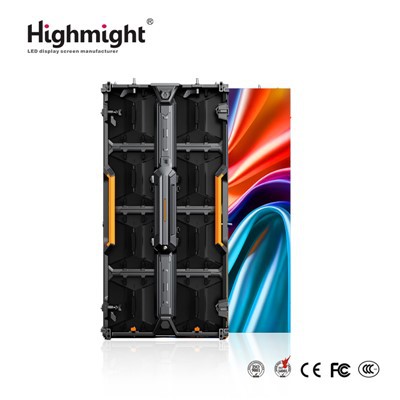
In the market, we have a wide range of Naked Eye 3D Displays for different applications. For example, there are 3D Naked Eye LED Billboard which are great for outdoor advertising. These billboards need to be bright enough to be visible in sunlight and have a large enough size to attract attention from a distance. Then there are Outdoor Naked Eye 3D LED Screen which can be used in public spaces like shopping malls or stadiums. And of course, Naked Eye 3D Advertising Screen are popular for indoor advertising, where they can create a more immersive and engaging experience for the audience.
Since there are no strict standards, it can be a bit challenging for consumers to choose the right Naked Eye 3D Display. That's where we, as a supplier, come in. We have a team of experts who can help you understand the different features and capabilities of our displays. We test each display thoroughly to ensure that it meets our own high - quality standards.
When you're looking for a Naked Eye 3D Display, here are some tips. First, consider your specific application. If it's for outdoor use, you'll need a display that's weather - resistant and has high brightness. For indoor use, you might focus more on image quality and the size that fits your space. Second, ask for samples or demos. This way, you can see the 3D effect for yourself and judge the image quality, viewing angle, and color accuracy.
As a supplier, we're constantly working on improving our Naked Eye 3D Displays. We're investing in research and development to come up with better technologies that can provide a more immersive and high - quality 3D experience. We also hope that in the future, there will be more industry - wide standards for Naked Eye 3D Displays. This will not only make it easier for consumers to choose products but also help the industry grow in a more healthy and sustainable way.
If you're interested in our Naked Eye 3D Displays, whether it's for advertising, entertainment, or any other application, don't hesitate to get in touch with us. We're here to answer all your questions and help you find the perfect display for your needs. Let's work together to bring the amazing world of 3D to your project!
References
- Various industry reports on display technologies
- Manufacturer specifications of Naked Eye 3D Displays