





As a supplier of LED floor tile screens, I've often been asked about the potential applications of our products. One question that has recently piqued my interest is whether LED floor tile screens can be used in libraries. At first glance, libraries are places associated with quiet study, traditional bookshelves, and a calm atmosphere, which might seem at odds with the high - tech, flashy nature of LED floor tile screens. However, upon closer examination, there are several compelling reasons to consider integrating these screens into library settings.

Advantages of Using LED Floor Tile Screens in Libraries
1. Enhanced User Experience
Libraries are evolving from simple repositories of books to dynamic community spaces. LED floor tile screens can play a significant role in this transformation. For instance, they can be used to create interactive maps of the library layout. Newcomers often struggle to find specific sections or resources. With an High Brightness LED Floor Screen installed in the entrance or main foyer, the library can display an interactive floor - based map. Users can step on different areas of the screen to get detailed information about the location of various sections such as the children's area, the reference section, or the multimedia room. This not only makes navigation easier but also adds an element of fun to the library experience.
In addition, during special events or exhibitions in the library, LED floor tile screens can be used to set the mood. For example, if there is an art exhibition, the screens can display images related to the artworks, creating a more immersive environment. The high - resolution capabilities of our High Resolution LED Floor Screen ensure that the images are sharp and vivid, enhancing the overall aesthetic appeal.
2. Educational Purposes
Libraries are educational institutions, and LED floor tile screens can serve as valuable teaching tools. In the children's section, these screens can be used for educational games. For example, a spelling game where children have to step on the correct letters displayed on the screen to form a word. This hands - on approach to learning is more engaging than traditional methods and can help children develop important skills such as spelling, problem - solving, and physical coordination.
For older students and researchers, the screens can be used to display historical maps or scientific diagrams. For example, in a history class held in the library, an LED floor tile screen can show a map of ancient civilizations. Students can walk on the screen to explore different regions, zoom in on specific areas, and learn about the geographical and historical context. The Color LED Floor Screen can accurately represent different colors on the map, making it easier for students to distinguish between various regions.
3. Marketing and Promotion
Libraries often need to promote their services, upcoming events, or new acquisitions. LED floor tile screens can be an effective marketing tool. Placed in high - traffic areas of the library, these screens can display eye - catching advertisements for new books, workshops, or author talks. The dynamic nature of the screens makes them more likely to attract the attention of library users compared to traditional static posters.
Challenges and Solutions
1. Noise and Distraction
One of the main concerns about using LED floor tile screens in libraries is the potential for noise and distraction. Libraries are places where people come to study and read in a quiet environment. However, modern LED floor tile screens are designed to be energy - efficient and operate quietly. Our screens are equipped with low - noise cooling systems, ensuring that they do not produce any significant noise that could disrupt the library's peaceful atmosphere.
In addition, the library can set specific rules regarding the use of the screens. For example, during peak study hours, the screens can be set to display static or low - motion content to minimize distraction. Only during non - study hours or in designated areas can the screens be used for more interactive and dynamic displays.
2. Durability and Maintenance
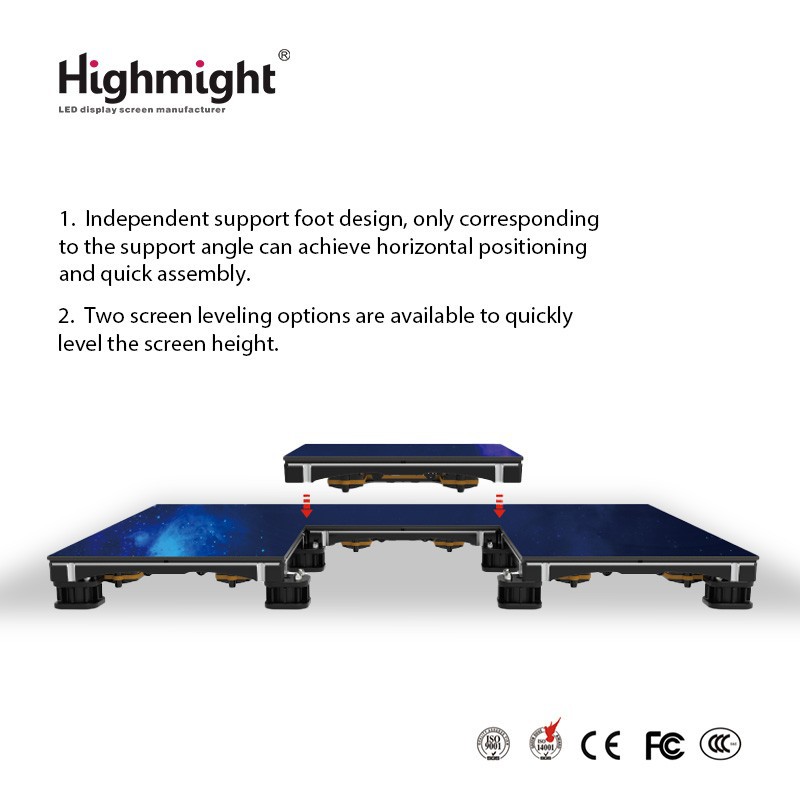
Libraries are public spaces with high foot traffic. Therefore, the LED floor tile screens need to be durable enough to withstand constant use. Our screens are built with high - quality materials and advanced manufacturing techniques. They are designed to be scratch - resistant and can handle heavy loads. The modular design of our screens also makes maintenance easy. If a single tile malfunctions, it can be easily replaced without having to shut down the entire screen.
Cost - Benefit Analysis
Implementing LED floor tile screens in libraries does come with a cost. There is the initial purchase cost, installation cost, and ongoing maintenance cost. However, when considering the long - term benefits, the investment can be justified.
The enhanced user experience can attract more visitors to the library, increasing its relevance in the community. This can lead to more funding opportunities from local governments or donors. In addition, the educational value provided by the screens can improve the quality of learning in the library, which is in line with the library's mission.
Conclusion
In conclusion, LED floor tile screens can be a valuable addition to libraries. They offer numerous benefits in terms of enhancing the user experience, providing educational opportunities, and serving as a marketing tool. While there are some challenges such as noise and durability, these can be effectively addressed through proper design and management.
If you are a library administrator or a decision - maker interested in exploring the possibility of integrating LED floor tile screens into your library, I encourage you to contact us for a detailed consultation. We can provide you with more information about our products, including their features, specifications, and pricing. Let's work together to create a more modern, engaging, and educational library environment.
References
- "The Future of Libraries: Transforming Spaces for Learning and Community Engagement." Journal of Library Administration, Volume XX, Issue YY.
- "Interactive Technology in Educational Settings: Benefits and Challenges." Educational Technology Research and Development, Volume AA, Issue BB.


