


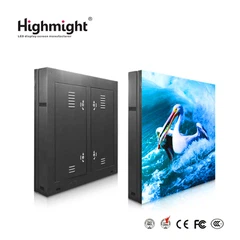

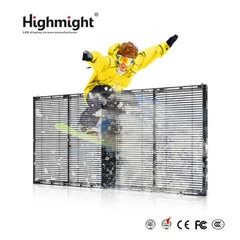


Hey there! As a supplier of flexible LED displays, I often get asked the question: "How often should a flexible LED display be maintained?" Well, let's dive right into it and break down the factors that influence the maintenance frequency.
Understanding the Basics of Flexible LED Displays
First off, let's talk a bit about what flexible LED displays are. These bad boys are super versatile. They can be bent, curved, and shaped to fit all sorts of unique spaces. Whether you're looking for a Flexible Led Screen for an indoor event or a High Resolution Outdoor Flexible Module for a large - scale outdoor advertisement, they've got you covered.
Flexible LED displays are made up of multiple LED modules, and each module has a bunch of tiny LEDs that emit light. Over time, these LEDs can experience wear and tear, and other components like the power supply and control system can also face issues.
Factors Affecting Maintenance Frequency
Usage Environment
The environment where the flexible LED display is installed plays a huge role. If it's an indoor display in a clean, climate - controlled environment, the maintenance requirements will be much lower compared to an outdoor display. Outdoor displays are exposed to the elements - rain, sun, wind, and dust. This can cause corrosion, damage to the protective coating, and overheating.
For example, in a coastal area, the salt in the air can corrode the metal parts of the display. In a dusty industrial area, the dust can accumulate on the LEDs, reducing their brightness. So, if your display is outdoors, especially in a harsh environment, you should plan for more frequent maintenance. I'd say at least once every three months. Indoor displays in normal conditions can get away with maintenance once every six months.
Usage Hours
How often you use the display also matters. If it's a display that runs 24/7, like in a busy shopping mall or a transportation hub, it's going to experience more stress than a display that's only used a few hours a day. The more hours the display is on, the faster the components will degrade.


For a display that runs continuously, I recommend monthly inspections to check for any signs of overheating, flickering LEDs, or power issues. Displays with limited usage, say less than 8 hours a day, can have maintenance every four to six months.
Display Quality and Manufacturer
The quality of the display you buy is crucial. A high - quality flexible LED display from a reputable manufacturer is likely to be more reliable and require less maintenance. Cheaper displays may use lower - grade components that are more prone to failure.
When you choose a display, look for one with a good warranty and a track record of reliability. At our company, we take pride in providing high - quality Flexible Led Screen and High Resolution Outdoor Flexible Module that are built to last. But even with high - quality products, regular maintenance is still important.
What Does Maintenance Involve?
Cleaning
Cleaning is one of the most basic but important maintenance tasks. Dust and dirt can accumulate on the surface of the display, reducing its brightness and clarity. For indoor displays, a soft, dry cloth can be used to gently wipe the surface every few weeks. Outdoor displays may require more thorough cleaning, using a mild detergent and water. Just make sure to turn off the power before cleaning to avoid any electrical hazards.
Checking LEDs
Inspect the LEDs for any signs of damage or malfunction. Flickering, dim, or dead LEDs should be replaced as soon as possible. This not only improves the visual quality of the display but also prevents further damage to the surrounding LEDs.
Power Supply and Control System
The power supply and control system are the brains and heart of the display. Check the power cables for any signs of fraying or damage. Make sure the power supply is providing the correct voltage. The control system should be checked for any software glitches or errors.
Structural Integrity
For flexible displays, it's important to check the structural integrity. Look for any signs of bending or warping that could affect the performance of the display. If the display is mounted on a frame, make sure the frame is secure and in good condition.
Maintenance Schedule Recommendations
Based on the factors we've discussed, here's a general maintenance schedule:
- Outdoor displays in harsh environments (running 24/7): Monthly inspections and cleaning, with a more in - depth maintenance check every three months.
- Outdoor displays in normal environments (running 8 - 12 hours a day): Bi - monthly inspections and cleaning, and a full maintenance check every four months.
- Indoor displays in normal conditions (running 8 - 12 hours a day): Every six months for a comprehensive maintenance check, with a quick inspection and cleaning every three months.
- Indoor displays with limited use (less than 8 hours a day): Annual maintenance check, with a surface cleaning every four months.
Special Considerations for High - end Displays
If you've invested in a High transparency LED crystal film screen, which is a more advanced and high - end type of flexible LED display, you need to be extra careful. These displays often have more sensitive components and a higher level of technology.
For high - transparency LED crystal film screens, the cleaning process should be even more delicate. Use a special anti - static cloth to avoid scratching the surface. The maintenance frequency should be slightly higher than regular indoor displays, say every four months for a full check - up.
Conclusion
Maintaining your flexible LED display is essential to ensure its long - term performance and reliability. By considering the usage environment, usage hours, and display quality, you can determine the right maintenance schedule for your display.
If you're in the market for a flexible LED display or need more advice on maintenance, don't hesitate to reach out. We're here to help you make the most of your investment. Whether it's a Flexible Led Screen, a High transparency LED crystal film screen, or a High Resolution Outdoor Flexible Module, we've got the products and expertise to meet your needs.
References
- LED Display Technology Handbook. A comprehensive guide on LED display components and maintenance.
- Industry reports on the performance and reliability factors of flexible LED displays.


