


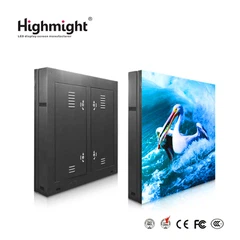

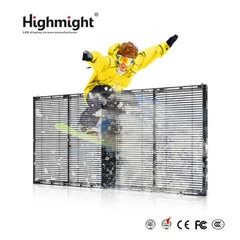


Hey there! As an indoor LED module supplier, I've seen firsthand how crucial it is to pick the right indoor LED module for your needs. Whether you're setting up a small home theater, a commercial storefront, or a large corporate event space, the right LED module can make all the difference in terms of visual impact and functionality. In this blog post, I'm going to share some tips on how to choose the perfect indoor LED module for your project.
Understand Your Needs
The first step in choosing the right indoor LED module is to understand your specific needs. What's the purpose of the display? Is it for advertising, entertainment, information dissemination, or something else? For example, if you're using it for a retail store, you might want a high-brightness module to catch the attention of passersby. On the other hand, if it's for a home theater, you'll likely prioritize color accuracy and contrast.
Think about the size of the area where the LED module will be installed. A large event hall will require a different module than a small office lobby. You also need to consider the viewing distance. If people will be viewing the display from far away, a module with a larger pixel pitch might be sufficient. But for close-up viewing, you'll need a module with a smaller pixel pitch for a sharper image.


Consider the Pixel Pitch
Pixel pitch is one of the most important factors when choosing an indoor LED module. It refers to the distance between the centers of two adjacent pixels, measured in millimeters. A smaller pixel pitch means more pixels per square inch, resulting in a higher resolution and a sharper image. However, modules with a smaller pixel pitch are usually more expensive.
For indoor applications, pixel pitches typically range from 1.2mm to 6mm. If you're looking for a display for a high-end corporate event or a luxury retail store where people will be viewing the screen up close, a module with a pixel pitch of 1.2mm - 2mm would be ideal. For a medium-sized conference room or a shopping mall corridor, a pixel pitch of 2mm - 4mm might be sufficient. And for large public spaces like convention centers where the viewing distance is greater, a pixel pitch of 4mm - 6mm could work well.
Evaluate the Brightness and Contrast
Brightness is measured in nits, and it's important to choose a module with the right brightness level for your environment. In a well-lit indoor space like a shopping mall or a convention center, you'll need a module with a higher brightness, typically around 1500 - 2500 nits. For a dimly lit room like a home theater or a small office, a brightness of 500 - 1000 nits might be enough.
Contrast ratio is another crucial aspect. It refers to the ratio between the brightest white and the darkest black that the module can display. A higher contrast ratio means more vivid colors and a more immersive viewing experience. Look for a module with a contrast ratio of at least 3000:1 for a good-quality image.
Check the Color Accuracy
Color accuracy is essential, especially if you're using the LED module for applications like advertising or art galleries where accurate color reproduction is crucial. The color temperature of the module should be around 6500K, which is considered "daylight white" and provides a natural-looking color. The color gamut, which refers to the range of colors that the module can display, should be as wide as possible to ensure vibrant and true-to-life colors.
Look for Durability and Reliability
Indoor LED modules are an investment, so you want to make sure they're durable and reliable. Check the build quality of the module, including the housing material and the protection against dust and moisture. Moisture-proof LED Module is a great option if your installation environment has high humidity.
Also, consider the lifespan of the module. A good-quality indoor LED module should have a lifespan of at least 50,000 hours, which means it can operate continuously for several years without significant degradation. Look for modules that come with a warranty, as this is a sign of the manufacturer's confidence in their product.
Assess the Energy Efficiency
Energy efficiency is not only good for the environment but also for your wallet. LED modules are generally more energy-efficient than traditional lighting sources, but there can still be significant differences between different models. Look for modules that have a high energy efficiency rating, which means they consume less power while still providing a bright and clear image.
Compatibility and Ease of Installation
Make sure the LED module you choose is compatible with your existing infrastructure, including the control system and the power supply. Some modules come with plug-and-play features, which make installation a breeze. Others might require more complex wiring and configuration. If you're not an experienced installer, it's a good idea to choose a module that is easy to install or hire a professional to do the job.
Cost and Budget
Of course, cost is always a factor when making a purchase. While it's tempting to go for the cheapest option, remember that you get what you pay for. A high-quality High-quality LED Module might cost more upfront but will save you money in the long run due to its durability and energy efficiency. Set a budget and look for a module that offers the best value for your money in terms of performance, features, and reliability.
Where to Find the Right Indoor LED Module
As an indoor LED module supplier, I can tell you that there are many options available in the market. You can find a wide range of Indoor LED Display Module on our website. We offer high-quality modules with different pixel pitches, brightness levels, and features to meet your specific needs.
If you're still not sure which module is right for you, don't hesitate to reach out to us. Our team of experts is always ready to help you make the right choice. We can provide you with detailed product information, technical support, and even a free quote.
Conclusion
Choosing the right indoor LED module requires careful consideration of your needs, the pixel pitch, brightness, contrast, color accuracy, durability, energy efficiency, compatibility, and cost. By following these tips, you can find a module that will provide a high-quality visual experience and meet your budget.
If you're interested in purchasing indoor LED modules for your project, we'd love to hear from you. Contact us today to start the procurement discussion and let us help you find the perfect solution for your indoor LED display needs.
References
- LED Display Technology Handbook
- Industry reports on indoor LED module trends and specifications


