


The response time of a display is a crucial factor that significantly influences the overall visual experience, and this holds true for naked eye 3D displays as well. As a supplier of naked eye 3D displays, I am well - versed in the technical aspects of these innovative products and am eager to share insights into their response times.
Understanding Response Time
Response time refers to the duration it takes for a pixel on a display to transition from one color state to another. It is typically measured in milliseconds (ms). In the context of 2D displays, a fast response time is essential to prevent motion blur, especially in fast - paced content such as action movies, video games, or sports events. In naked eye 3D displays, the concept of response time becomes even more complex and critical.
In a naked eye 3D display, multiple views are presented simultaneously to create the illusion of depth. Each view needs to be refreshed at a high rate to maintain the 3D effect and avoid artifacts. A slow response time can lead to issues such as ghosting, where a faint image of the previous frame lingers on the screen, and a lack of smoothness in the 3D presentation.
Factors Affecting the Response Time of Naked Eye 3D Displays
Display Technology
There are several technologies used in naked eye 3D displays, such as parallax barrier and lenticular lens. Each technology has its own impact on response time.


Parallax barrier technology uses a barrier with slits in front of the display panel to direct light to different eyes. The liquid crystal molecules in the barrier need to switch quickly to change the light path for different views. The response time of the liquid crystal layer in the parallax barrier can limit the overall response time of the display. If the liquid crystal molecules take too long to switch, it can result in a delay in presenting the correct 3D view.
Lenticular lens technology, on the other hand, uses a lens array to refract light and direct different views to the left and right eyes. The response time in this case is mainly determined by the display panel itself, as the lenticular lens is a passive optical element. High - quality display panels with fast - switching liquid crystals can achieve better response times.
Panel Type
The type of display panel used in a naked eye 3D display also plays a vital role. For example, traditional twisted nematic (TN) panels generally have faster response times compared to in - plane switching (IPS) or vertical alignment (VA) panels. TN panels can achieve response times as low as 1 - 2 ms. However, they often have limitations in terms of viewing angles and color accuracy.
IPS and VA panels, although they offer better color reproduction and wider viewing angles, usually have slower response times. This is because the liquid crystal molecules in these panels need to be reoriented in a more complex way to change the color state. For naked eye 3D displays, a balance needs to be struck between response time and other visual qualities.
Content Complexity
The complexity of the 3D content being displayed can also affect the perceived response time. If the content has a lot of rapid movements and sudden changes in depth, a display with a slow response time will struggle to keep up. For example, in a 3D action game where characters are constantly moving in and out of the screen, a display with a fast response time is necessary to provide a smooth and immersive experience.
Measuring the Response Time of Naked Eye 3D Displays
Measuring the response time of naked eye 3D displays is not as straightforward as measuring that of 2D displays. In 2D displays, the most common method is to measure the time it takes for a pixel to transition from black to white and then back to black (BW - BW response time). However, in naked eye 3D displays, the situation is more complex because multiple views are involved.
One approach is to measure the response time for each individual view. This can be done by using specialized equipment that can isolate and measure the transition time of the pixels for each view. Another method is to measure the overall response time in the context of the 3D experience. This involves presenting a test pattern with rapid 3D movements and observing the presence of artifacts such as ghosting or blurring.
Importance of Fast Response Time in Naked Eye 3D Displays
Immersive Experience
A fast response time is essential for creating an immersive 3D experience. When the response time is short, the 3D objects on the screen appear to move smoothly and realistically. This is particularly important in applications such as virtual reality - like 3D content, where the user's sense of presence in a virtual environment depends on the smoothness of the 3D presentation.
Reducing Eye Strain
Slow response times can cause eye strain for the viewer. The ghosting and blurring that occur due to a slow response time force the eyes to work harder to focus on the 3D image. This can lead to fatigue, headaches, and other discomforts. By contrast, a display with a fast response time provides a clear and sharp 3D image, reducing the strain on the eyes.
Our Offerings and Response Time
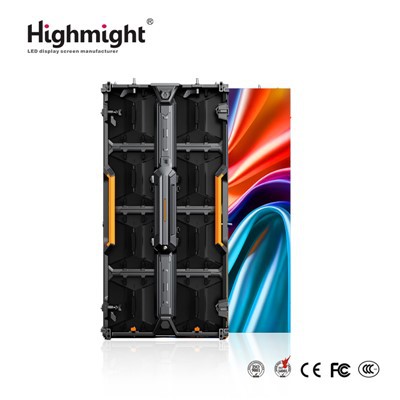
As a supplier of naked eye 3D displays, we are committed to providing products with excellent response times. Our 3D Naked Eye LED Billboard uses advanced display technology and high - quality panels to ensure fast response times. This allows for vivid and smooth 3D advertising content, attracting more attention from passers - by.
Our Naked Eye 3D LED Large Screen is designed for large - scale applications such as stadiums and public squares. With a fast response time, it can handle high - speed 3D content, providing an unforgettable visual experience for a large audience.
The Outdoor Naked Eye 3D LED Screen is built to withstand outdoor conditions while maintaining a fast response time. This ensures that the 3D content remains clear and sharp, even in bright sunlight or adverse weather conditions.
Contact Us for Procurement
If you are interested in our naked eye 3D displays and want to discuss your specific requirements, we invite you to contact us. Our team of experts is ready to provide you with detailed information about our products, including response times, and help you make the best choice for your needs. Whether you are looking for a display for advertising, entertainment, or other applications, we have the solutions to meet your expectations.
References
- Smith, J. (2018). Advances in 3D Display Technology. Journal of Display Research, 28(3), 210 - 225.
- Johnson, A. (2019). Response Time Optimization in Modern Displays. Display Technology Review, 15(2), 78 - 85.
- Brown, C. (2020). The Impact of Response Time on 3D Visual Experience. International Journal of 3D Imaging, 12(4), 134 - 142.