



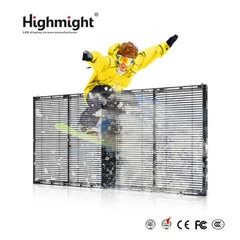


Controlling a transparent LED display effectively is crucial for maximizing its performance and achieving the desired visual effects. As a leading transparent LED display supplier, we understand the intricacies involved in this process. In this blog post, we'll explore the key aspects of controlling a transparent LED display, from understanding its basic components to implementing advanced control strategies.

Understanding the Basics of a Transparent LED Display
Before delving into the control methods, it's essential to have a clear understanding of what a transparent LED display is. A transparent led screen consists of an array of light - emitting diodes (LEDs) arranged in a way that allows light to pass through, creating a semi - transparent effect. These displays are commonly used for advertising, architectural design, and stage performances due to their unique visual appeal.
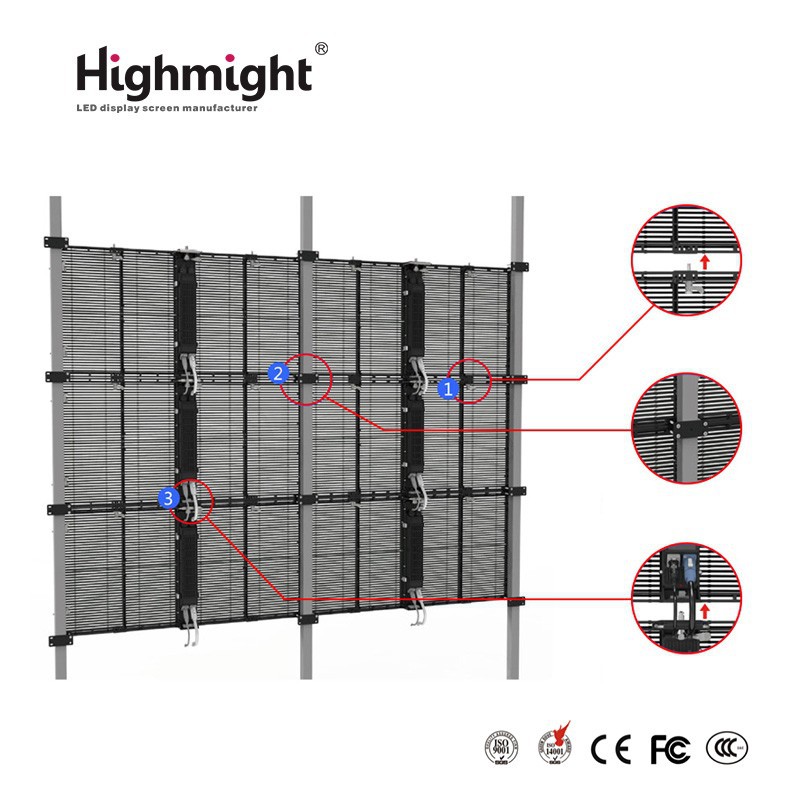
The main components of a transparent LED display include the LED modules, power supply, control system, and mounting structure. The LED modules are the heart of the display, responsible for emitting light. The power supply provides the necessary electrical energy to the LEDs, while the control system manages the display's operation, including content playback and brightness adjustment. The mounting structure holds the display in place and ensures its stability.
Types of Control Systems for Transparent LED Displays
There are several types of control systems available for transparent LED displays, each with its own advantages and limitations.
1. PC - Based Control Systems
PC - based control systems are one of the most common methods for controlling transparent LED displays. These systems use a computer to generate and send the display content to the LED controller. The software installed on the computer allows users to create, edit, and schedule the display content easily.
The advantage of PC - based control systems is their flexibility. Users can use a wide range of software tools to design high - quality graphics and videos, and the content can be updated in real - time. However, these systems require a stable computer connection and may be affected by computer malfunctions or software bugs.
2. Network - Based Control Systems
Network - based control systems use a local area network (LAN) or the internet to connect the LED display to a control center. This allows for remote control and management of multiple displays from a single location.
With network - based control systems, users can monitor and adjust the display settings, such as brightness, contrast, and content playback, without being physically present at the display site. This is particularly useful for large - scale installations, such as shopping malls or airports, where multiple displays need to be managed simultaneously.
3. Stand - Alone Control Systems
Stand - alone control systems are self - contained units that do not require a computer or network connection for operation. These systems typically come with built - in media players and storage devices, allowing them to store and play pre - loaded content.
Stand - alone control systems are easy to install and operate, making them a popular choice for small - scale applications, such as storefront displays. However, they have limited flexibility in terms of content management, as the content needs to be updated manually.
Key Considerations for Controlling a Transparent LED Display
When controlling a transparent LED display, there are several key considerations that need to be taken into account.
1. Content Management
The content displayed on the transparent LED display plays a crucial role in attracting the audience's attention. Therefore, it's important to choose the right content and manage it effectively.
The content should be relevant to the target audience and the location of the display. For example, in a shopping mall, the content could be product promotions or event announcements. Additionally, the content should be visually appealing and easy to read from a distance.
To manage the content, users can use content management software that allows them to create, schedule, and distribute the content across multiple displays. This software also provides features such as content preview, version control, and real - time monitoring.
2. Brightness and Contrast Adjustment
The brightness and contrast of the transparent LED display need to be adjusted according to the ambient light conditions. In bright environments, such as outdoors during the day, a higher brightness level is required to ensure that the display is visible. Conversely, in low - light environments, such as at night or indoors, a lower brightness level can be used to save energy and reduce eye strain.
Many modern transparent LED displays come with automatic brightness adjustment features that can sense the ambient light and adjust the display brightness accordingly. However, manual adjustment may still be necessary in some cases, especially when the ambient light conditions change rapidly.
3. Display Configuration
Proper display configuration is essential for achieving the best visual effects. This includes setting the correct resolution, aspect ratio, and pixel pitch of the display.
The resolution of the display determines the level of detail that can be shown. A higher resolution display can show more detailed graphics and text, but it also requires more processing power and bandwidth. The aspect ratio of the display should match the aspect ratio of the content to avoid distortion. The pixel pitch, which is the distance between adjacent LEDs, affects the viewing distance and the clarity of the display.
Advanced Control Strategies for Transparent LED Displays
In addition to the basic control methods, there are several advanced control strategies that can be used to enhance the performance of transparent LED displays.
1. Interactive Control
Interactive control allows the audience to interact with the display content, creating a more engaging experience. This can be achieved through touch - screen technology, motion sensors, or gesture recognition.
For example, a touch - screen transparent LED display can be used in a museum to allow visitors to access additional information about the exhibits by touching the display. Motion sensors can be used to detect the presence of people and trigger different display content, such as animations or videos.
2. Synchronized Control
Synchronized control is used to ensure that multiple transparent LED displays work together in harmony. This is particularly useful for large - scale installations, such as stage performances or architectural lighting.
With synchronized control, the content displayed on different displays can be coordinated to create a seamless visual effect. For example, in a stage performance, multiple transparent LED displays can be used to create a dynamic backdrop that changes in sync with the music and the performance.
3. Energy - Saving Control
Energy - saving control is an important consideration for transparent LED displays, especially for large - scale installations. There are several ways to reduce the energy consumption of the display, such as adjusting the brightness level, using energy - efficient LEDs, and implementing power - saving modes.
Some transparent LED displays come with built - in energy - saving features, such as automatic power - off when the display is not in use or dimming the display during off - peak hours. Additionally, users can use energy management software to monitor and control the energy consumption of the display.
Conclusion
Controlling a transparent LED display requires a combination of technical knowledge and practical experience. By understanding the basic components of the display, choosing the right control system, and implementing advanced control strategies, users can maximize the performance of the display and achieve the desired visual effects.
As a Led Transparent Display supplier, we are committed to providing our customers with high - quality products and professional technical support. If you are interested in our Indoor LED Transparent Advertising Screen or have any questions about controlling a transparent LED display, please feel free to contact us for further discussion and procurement negotiation.
References
- LED Display Technology Handbook
- Transparent LED Display Industry Reports
- Research Papers on LED Display Control Systems


