



Yo! As a supplier of LED floor tile screens, I've gotten tons of questions from customers about these nifty gadgets. One question that pops up a lot is, "Do LED floor tile screens have a self - diagnostic function?" Well, let's dig into this topic and find out.
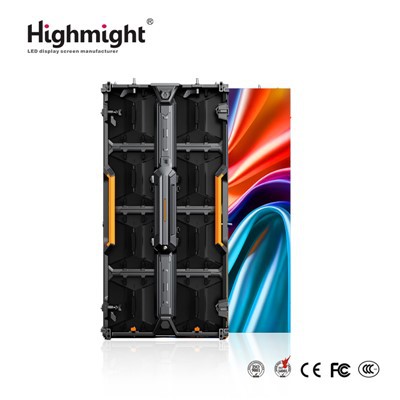
First off, let's talk a bit about what LED floor tile screens are. They're super cool displays that can be installed on the floor. You can use them in all sorts of places, like shopping malls, museums, or even at events. They come in different types, like the High Brightness LED Floor Screen, which is great for well - lit areas, and the Color LED Floor Screen, which can create some really eye - catching visuals. And if you're looking to do some advertising, the LED Floor Tile Advertising Display is the way to go.
Now, back to the self - diagnostic function. In today's high - tech world, many electronic devices come with some form of self - diagnostic feature, and LED floor tile screens are no exception. The self - diagnostic function is like a little doctor for your screen. It can check the health of the screen and let you know if there are any problems.
One of the main things the self - diagnostic function can do is monitor the temperature of the LED floor tile screen. LEDs generate heat when they're working, and if the temperature gets too high, it can damage the screen. The self - diagnostic system will keep an eye on the temperature and send an alert if it goes above a safe level. This way, you can take action to cool down the screen before any serious damage occurs.
Another important aspect is checking the brightness of the LEDs. Over time, LEDs can lose their brightness. The self - diagnostic function can detect if one or more LEDs are not as bright as they should be. It can then provide information on which specific LEDs are having issues. This is super useful because it allows you to replace the faulty LEDs quickly, keeping your screen looking great.


The system can also check the power supply. A stable power supply is crucial for the proper functioning of the LED floor tile screen. If there are any fluctuations in the power, the self - diagnostic function will detect it. It can tell you if there's a problem with the power cable, the power adapter, or if there's an issue with the electrical circuit. This helps prevent sudden shutdowns or other power - related problems.
Connectivity is another area where the self - diagnostic function shines. It can check if the screen is properly connected to the control system. If there's a loose connection or a problem with the communication protocol, the system will flag it. This ensures that the screen can receive and display the correct content without any glitches.
But how does this self - diagnostic function actually work? Well, it's all thanks to a combination of sensors and software. The sensors are placed at different parts of the screen to collect data on temperature, brightness, power, and other parameters. The software then analyzes this data and compares it to pre - set standards. If there's a deviation from the normal values, the system triggers an alert.
The alerts can be sent in different ways. Some LED floor tile screens have an on - screen notification system. You'll see a message on the screen itself telling you what the problem is. Others can send an email or a text message to the administrator. This means that you can be informed about the issue even if you're not physically near the screen.
Let's talk about the benefits of having a self - diagnostic function. For one, it saves you time. Instead of spending hours trying to figure out what's wrong with the screen, the system tells you exactly where the problem lies. This allows you to fix the issue quickly, minimizing downtime.
It also saves you money. By detecting problems early, you can prevent more serious damage from occurring. Replacing a single faulty LED is much cheaper than having to replace an entire section of the screen. And since the screen is up and running for more time, you can get more value out of your investment.
In addition, it gives you peace of mind. Knowing that your LED floor tile screen is constantly being monitored and that any issues will be detected early means you can focus on other things. You don't have to worry about sudden failures or unexpected problems ruining your display.
Now, if you're thinking about getting an LED floor tile screen, the self - diagnostic function is definitely something to consider. It's an important feature that can make your life a lot easier. Whether you're using the screen for advertising, decoration, or any other purpose, having a reliable self - diagnostic system will ensure that your screen looks great and works well for a long time.
If you're interested in learning more about our LED floor tile screens and their self - diagnostic functions, or if you're ready to make a purchase, don't hesitate to reach out. We're here to answer all your questions and help you find the perfect screen for your needs. Let's start a conversation and see how we can bring your vision to life with our top - notch LED floor tile screens.
References
- General knowledge of LED technology and electronic self - diagnostic systems.
- Industry reports on LED floor tile screen features and benefits.