


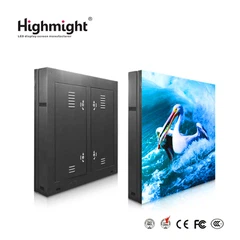

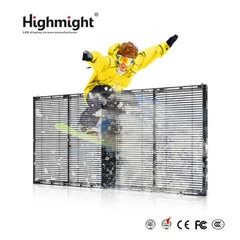


In today's world, energy efficiency is a crucial consideration for businesses across all industries. As a supplier of Outdoor LED Display Module, I understand the importance of providing high-quality products that not only deliver stunning visual experiences but also minimize energy consumption. In this blog post, I will share some effective strategies and technologies that can help improve the energy efficiency of outdoor LED display modules.
1. Select High - Efficiency LED Chips
The heart of an outdoor LED display module is its LED chips. Choosing high - efficiency LED chips is the first and most fundamental step in improving energy efficiency. High - efficiency chips can convert a higher percentage of electrical energy into light, reducing the amount of energy wasted as heat.
Modern LED chips have made significant advancements in efficiency. For example, some latest chips use advanced semiconductor materials and manufacturing processes, which can achieve luminous efficacy of over 200 lumens per watt. When sourcing LED chips for our outdoor display modules, we always look for products with high luminous efficacy ratings and low power consumption. This not only reduces the overall energy usage of the display but also extends the lifespan of the chips, as they generate less heat.
2. Implement Smart Dimming Technology
Smart dimming technology is a game - changer when it comes to energy efficiency in outdoor LED display modules. Outdoor environments have varying levels of ambient light throughout the day. During bright daylight, the display needs to be brighter to be clearly visible, while at night or in low - light conditions, a lower brightness level is sufficient.
By implementing smart dimming technology, the display can automatically adjust its brightness according to the ambient light. This is typically achieved using light sensors that detect the intensity of the surrounding light. For instance, in the early morning or late evening when the sunlight is not as strong, the display can dim to a lower brightness level, consuming less power. At mid - day when the sun is at its peak, the display will increase its brightness to ensure maximum visibility. This not only saves energy but also provides a more comfortable viewing experience for the audience.
3. Optimize the Power Supply System
The power supply system is another critical component that affects the energy efficiency of an outdoor LED display module. A high - quality power supply can convert the input electrical energy into the appropriate voltage and current for the LEDs more efficiently.
When designing our outdoor LED display modules, we use power supplies with high power factor correction (PFC). A high PFC value means that the power supply can draw power from the grid more efficiently, reducing the amount of reactive power. This results in less energy loss during the power conversion process.
In addition, we also pay attention to the layout and wiring of the power supply system. Proper wiring can minimize the resistance in the circuit, which in turn reduces the power loss due to heat dissipation. We ensure that the power supply is well - ventilated to prevent overheating, as overheating can significantly reduce the efficiency of the power supply.
4. Use Energy - Saving Driving Circuits
The driving circuits of an outdoor LED display module play a vital role in controlling the operation of the LEDs. Energy - saving driving circuits can precisely control the current and voltage supplied to the LEDs, ensuring that they operate at their optimal efficiency.
Some advanced driving circuits use pulse - width modulation (PWM) technology. PWM allows for fine - tuned control of the LED brightness by adjusting the duty cycle of the electrical pulses. This not only provides accurate brightness control but also reduces power consumption. By using energy - saving driving circuits, we can minimize the power required to drive the LEDs while maintaining high - quality display performance.
5. Improve Heat Dissipation
Heat is the enemy of energy efficiency in LED displays. When LEDs generate heat, their efficiency decreases, and they may even experience a reduction in lifespan. Therefore, effective heat dissipation is essential for improving the energy efficiency of outdoor LED display modules.
We use high - quality heat sinks and fans in our outdoor LED display modules. Heat sinks are designed to absorb and dissipate the heat generated by the LEDs. They are made of materials with high thermal conductivity, such as aluminum. Fans are used to enhance the air circulation around the heat sinks, removing the heat more effectively.
In addition, we also pay attention to the overall design of the display module to ensure that there is sufficient space for heat dissipation. This includes proper ventilation channels and spacing between components. By keeping the LEDs at a lower temperature, we can improve their efficiency and extend their lifespan, ultimately reducing the energy consumption of the display.
6. Regular Maintenance and Monitoring
Regular maintenance and monitoring are crucial for ensuring the long - term energy efficiency of outdoor LED display modules. Over time, dust, dirt, and other contaminants can accumulate on the surface of the display, reducing its light output and increasing the power required to achieve the same level of brightness.


We recommend regular cleaning of the display module to remove any dirt or debris. This can be done using a soft, dry cloth or a mild cleaning solution. In addition, we also suggest regular inspections of the power supply, driving circuits, and other components to ensure that they are functioning properly.
Monitoring the energy consumption of the display module is also important. By tracking the power usage over time, we can identify any abnormal increases in energy consumption and take corrective actions promptly. This may involve replacing faulty components or optimizing the settings of the display.
7. Choose the Right Display Configuration
The configuration of the outdoor LED display module also affects its energy efficiency. For example, a display with a lower pixel pitch (higher pixel density) generally consumes more power than a display with a higher pixel pitch. When selecting a display for a specific application, it is important to balance the requirements for image quality and energy efficiency.
If the display is located in a place where the viewing distance is relatively far, a display with a higher pixel pitch may be sufficient to provide a clear and sharp image, while consuming less power. On the other hand, if the display is intended for close - up viewing, a lower pixel pitch may be necessary, but energy - saving measures such as those mentioned above should be implemented to offset the higher power consumption.
Conclusion
Improving the energy efficiency of outdoor LED display modules is a multi - faceted process that involves selecting high - efficiency components, implementing smart technologies, optimizing the design, and performing regular maintenance. As a supplier of Outdoor LED Display Module, we are committed to providing our customers with energy - efficient products that meet their needs. Our Energy - saving Outdoor LED Modules are designed with the latest technologies and best practices in mind to ensure maximum energy efficiency without compromising on display quality.
If you are interested in learning more about our energy - efficient outdoor LED display modules or would like to discuss a potential purchase, please feel free to contact us. We look forward to working with you to provide the best display solutions for your business.
References
- LED Lighting Technology Handbook. Publisher: [Publisher Name], Year: [Year]
- Research Papers on Energy - Efficiency of LED Displays. Various Academic Journals.


