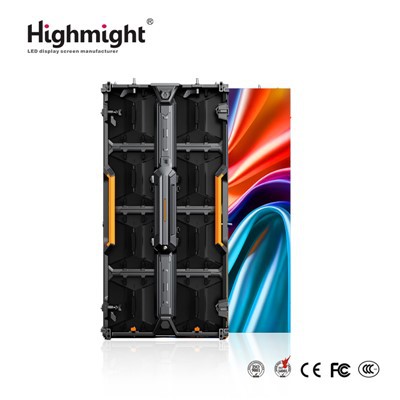



Managing the content schedule on an outdoor LED display module is a crucial aspect of maximizing its effectiveness and impact. As a provider of high - quality Outdoor LED Display Module, I understand the importance of a well - planned content schedule. In this blog, I'll share some valuable insights on how to manage the content schedule for outdoor LED display modules, ensuring that your messages reach the right audience at the right time.
Understanding Your Audience
Before creating a content schedule, it's essential to understand your target audience. Different demographics have different behaviors, preferences, and peak activity times. For example, if your target audience consists mainly of office workers, you might want to display your content during rush hours when they are commuting to and from work. On the other hand, if your target audience is students, evenings and weekends could be more effective times for content display.
Conduct market research to gather data on your audience's age, gender, occupation, and daily routines. Social media analytics, surveys, and customer feedback can provide valuable information. Once you have a clear understanding of your audience, you can tailor your content schedule to match their behavior patterns.
Setting Clear Goals
Your content schedule should align with your business goals. Whether you aim to increase brand awareness, promote a new product, or drive foot traffic to a physical store, your goals will determine the type of content and the frequency of display.
For instance, if your goal is to promote a limited - time sale, you'll want to create eye - catching content and display it more frequently in the days leading up to the event. If you're focusing on brand awareness, you can use a more consistent and long - term content strategy, with a mix of brand messages, product features, and customer testimonials.
Creating Diverse Content
Variety is the spice of life, and the same applies to outdoor LED display content. To keep your audience engaged, create a diverse range of content. This can include images, videos, animations, and text - based messages.
Images are great for making a quick visual impact. High - quality product images or attention - grabbing graphics can attract passers - by. Videos, on the other hand, allow you to tell a story and convey more information. Animations add an element of fun and can make your content more memorable.
When creating content, ensure that it is relevant to your target audience and your business goals. Use clear and concise messaging, and make sure that the content is easy to understand at a glance, as outdoor viewers may only have a few seconds to take in the information.
Using a Content Management System (CMS)
A Content Management System (CMS) is a powerful tool for managing the content schedule on your outdoor LED display module. A good CMS allows you to upload, organize, and schedule your content with ease.


With a CMS, you can create different playlists for different times of the day or days of the week. For example, you can have a morning playlist that focuses on breakfast promotions and an evening playlist for dinner specials. You can also set specific start and end times for each piece of content, ensuring that it is displayed at the right moments.
Many modern CMSs also offer remote management capabilities, allowing you to update and change your content from anywhere with an internet connection. This is particularly useful for last - minute changes or urgent announcements.
Considering Seasonal and Event - Based Content
Seasonal and event - based content can significantly enhance the relevance and impact of your outdoor LED display. For example, during the holiday season, you can create festive content that incorporates holiday themes and colors. This type of content is more likely to resonate with your audience and create a positive brand image.
Similarly, if there is a local event such as a sports game or a cultural festival, you can create content that is related to the event. This can help you connect with the local community and increase the visibility of your brand.
Optimizing for Energy Efficiency
In addition to managing the content schedule, it's important to consider energy efficiency. Energy - saving Outdoor LED Modules are not only environmentally friendly but also cost - effective in the long run.
You can optimize energy usage by adjusting the brightness of your LED display based on the time of day. During the day, when there is more natural light, you can increase the brightness to ensure that your content is visible. At night, you can reduce the brightness to save energy.
Another way to save energy is to schedule your content to run only during peak viewing hours. This way, you're not using energy to display content when there are few viewers.
Monitoring and Analyzing Performance
Once you've implemented your content schedule, it's important to monitor and analyze its performance. Use analytics tools provided by your CMS or other third - party tools to track metrics such as viewership, engagement, and conversion rates.
By analyzing the data, you can determine which types of content are most effective and which times of the day generate the most engagement. This information can help you refine your content schedule and improve the overall performance of your outdoor LED display.
For example, if you notice that a particular video gets a high number of views during the evening, you can schedule it to play more frequently during that time. If a certain type of content isn't performing well, you can make adjustments or replace it with something new.
Planning for Maintenance and Updates
Outdoor LED display modules require regular maintenance to ensure optimal performance. Plan for routine maintenance tasks such as cleaning, checking for hardware issues, and software updates.
During maintenance periods, you may need to adjust your content schedule. You can use this time to test new content or make improvements to existing content. Additionally, software updates can provide new features and functionality, so it's important to stay up - to - date with the latest versions.
Collaborating with Other Stakeholders
If your outdoor LED display is part of a larger marketing campaign or is located in a shared space, it's important to collaborate with other stakeholders. This can include other businesses in the area, event organizers, or marketing partners.
By working together, you can create more coordinated and impactful content. For example, if multiple businesses in a shopping mall are using outdoor LED displays, you can create a joint promotion or a unified content theme to attract more customers.
Conclusion
Managing the content schedule on an outdoor LED display module is a multi - faceted process that requires careful planning, creativity, and continuous optimization. By understanding your audience, setting clear goals, creating diverse content, using a CMS, considering seasonal factors, optimizing for energy efficiency, monitoring performance, planning for maintenance, and collaborating with others, you can make the most of your outdoor LED display.
If you're interested in learning more about our Outdoor LED Display Module or need assistance with content scheduling, we'd love to hear from you. Our team of experts is ready to help you create an effective and engaging outdoor LED display strategy.
References
- Marketing Management by Philip Kotler
- Digital Signage Handbook: Technology, Design, and Deployment by David Haynes
- Outdoor Advertising: An Introduction by Richard Pollay