


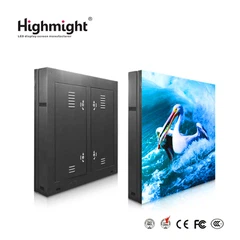

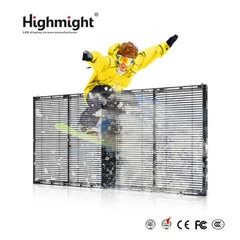


As a trusted supplier of outdoor rental LED displays, I understand the significance of proper storage for these valuable assets. Outdoor LED displays are exposed to various environmental factors during use, and improper storage can lead to damage, reduced lifespan, and increased maintenance costs. In this blog, I will share some professional tips on how to store outdoor rental LED displays when they are not in use, ensuring their optimal performance and longevity.
Cleaning and Inspection
Before storing the outdoor rental LED displays, it is crucial to conduct a thorough cleaning and inspection. First, use a soft, dry cloth to gently wipe the surface of the display to remove any dust, dirt, or debris. Avoid using abrasive materials or harsh chemicals, as they can scratch the screen or damage the protective coating.
Next, carefully inspect the display for any signs of physical damage, such as cracks, dents, or loose components. Check the power cables, signal cables, and connectors to ensure they are in good condition. If any issues are detected, it is recommended to repair them before storage to prevent further damage.
Disassembly and Packaging
If possible, disassemble the outdoor rental LED displays into smaller components for easier storage. Follow the manufacturer's instructions carefully to avoid damaging the display during the disassembly process. Label each component clearly to facilitate reassembly later.
When packaging the components, use high-quality, protective packaging materials, such as foam inserts, bubble wrap, and sturdy cardboard boxes. Make sure the components are securely packed to prevent movement and damage during transportation and storage.
Storage Environment
The storage environment plays a vital role in maintaining the quality of outdoor rental LED displays. Here are some key factors to consider:
Temperature and Humidity
LED displays are sensitive to extreme temperatures and humidity. Ideally, the storage temperature should be between 10°C and 35°C (50°F and 95°F), and the relative humidity should be between 20% and 80%. Avoid storing the displays in areas prone to high humidity, such as basements or near water sources, as this can cause corrosion and damage to the electronic components.
Ventilation
Proper ventilation is essential to prevent the buildup of heat and moisture in the storage area. Ensure that the storage space is well-ventilated to maintain a stable environment. If necessary, use fans or dehumidifiers to control the temperature and humidity.
Protection from Dust and Debris
Dust and debris can accumulate on the surface of the LED displays and cause damage over time. Store the displays in a clean, dust-free environment, and cover them with protective covers or sheets to prevent dust from settling on them.
Security
Protect the outdoor rental LED displays from theft and vandalism by storing them in a secure location. Consider using a locked storage facility or a dedicated storage room with restricted access.
Power Management
To prevent damage to the LED displays during storage, it is important to manage the power supply properly. Here are some tips:
Disconnect the Power
Before storing the displays, disconnect the power cables from the power source to prevent electrical surges and short circuits.
Battery Removal
If the displays are equipped with batteries, remove them before storage to prevent leakage and damage. Store the batteries separately in a cool, dry place.


Periodic Power-On
To maintain the functionality of the LED displays, it is recommended to power them on periodically during storage. This helps to prevent the electronic components from deteriorating due to long periods of inactivity. Follow the manufacturer's instructions on how often to power on the displays and for how long.
Maintenance and Monitoring
Even during storage, it is important to perform regular maintenance and monitoring on the outdoor rental LED displays. Here are some tasks to consider:
Visual Inspection
Periodically inspect the displays for any signs of damage, such as cracks, discoloration, or malfunction. Check the packaging materials to ensure they are still in good condition and providing adequate protection.
Software Updates
If the displays are equipped with software, check for any available updates and install them to ensure the displays are running the latest version. This helps to improve performance and security.
Documentation
Keep detailed records of the storage conditions, maintenance activities, and any issues or repairs that occur during storage. This documentation can be useful for future reference and to demonstrate compliance with manufacturer's recommendations.
Conclusion
Proper storage of outdoor rental LED displays is essential to ensure their optimal performance, longevity, and value. By following the tips outlined in this blog, you can protect your investment and minimize the risk of damage and downtime. Remember, as a supplier of Rental Outdoor LED Display Board, Temporary Outdoor LED Rental Display, and Outdoor Event LED Rental Display, we are committed to providing you with high-quality products and professional advice. If you have any questions or need further assistance with storing your outdoor rental LED displays, please do not hesitate to contact us. We look forward to helping you make the most of your investment in outdoor LED displays.
References
- Manufacturer's instructions and guidelines for outdoor rental LED displays.
- Industry best practices for storing electronic equipment.


