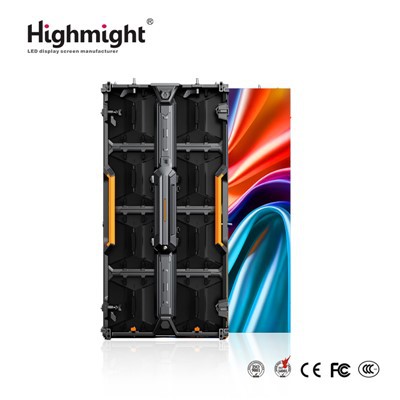



As a prominent supplier of COB Small Pixel Pitch displays, I'm excited to delve into the intricate manufacturing processes that bring these cutting - edge display technologies to life. COB (Chip on Board) Small Pixel Pitch displays have revolutionized the visual experience with their high - definition, seamless, and immersive qualities. In this blog, we'll explore each step of the manufacturing journey, from raw materials to the final product.
1. Material Sourcing
The first step in manufacturing COB Small Pixel Pitch displays is sourcing high - quality materials. The primary components include semiconductor chips, substrates, and encapsulation materials.
Semiconductor chips are the heart of the display. These tiny chips are responsible for emitting light. We carefully select chips from trusted manufacturers known for their reliability and performance. The chips need to have consistent brightness, color accuracy, and long - term stability.
Substrates provide the base on which the chips are mounted. They are typically made of materials like printed circuit boards (PCBs). The PCB should have excellent electrical conductivity, thermal dissipation properties, and mechanical stability. It is designed to carry the electrical signals to the chips and also helps in heat management.
Encapsulation materials are used to protect the chips from environmental factors such as moisture, dust, and mechanical damage. Silicone - based encapsulants are commonly used due to their good optical properties and high - temperature resistance.
2. Chip Mounting
Once the materials are sourced, the next step is chip mounting. This is a highly precise process that requires advanced equipment and skilled technicians.
The chips are first sorted according to their electrical and optical characteristics. This ensures that only chips with similar performance are used in the same display panel, which helps in achieving uniform brightness and color across the screen.
Using a pick - and - place machine, the chips are accurately placed on the substrate. The machine uses a vacuum nozzle to pick up the tiny chips and place them in the pre - defined positions on the PCB. The alignment needs to be extremely accurate, often within a few micrometers, to ensure proper electrical connection and optimal light emission.
After the chips are placed, they are soldered to the substrate. Reflow soldering is a common method used in this process. The PCB with the placed chips is passed through a reflow oven, where the temperature is carefully controlled. The solder paste on the PCB melts and forms a strong electrical and mechanical connection between the chips and the substrate as it cools down.
3. Encapsulation
After the chips are mounted and soldered, the display undergoes the encapsulation process. Encapsulation is crucial for protecting the chips and improving the overall performance of the display.
The encapsulation material is applied to the surface of the chips using a dispensing or molding process. In the dispensing process, the encapsulant is dispensed onto the chips in a controlled manner using a syringe or a dispensing valve. The encapsulant then spreads evenly over the chips and fills the gaps between them.
Molding is another method where a pre - formed mold is placed over the chips, and the encapsulant is injected into the mold. This method is more suitable for large - scale production and can ensure a more uniform thickness of the encapsulation layer.
Once the encapsulant is applied, it is cured. Curing can be done through heat, UV light, or a combination of both, depending on the type of encapsulant used. The curing process hardens the encapsulant, forming a protective layer over the chips.
4. Testing and Quality Control
Testing and quality control are integral parts of the manufacturing process. At this stage, the display panels are thoroughly tested to ensure they meet the required standards.
Electrical testing is performed to check the functionality of the chips and the electrical connections on the PCB. This includes testing for open circuits, short circuits, and proper signal transmission. The panels are also tested for their brightness, color accuracy, and contrast ratio. Specialized testing equipment such as spectrometers and photometers are used to measure these parameters.
In addition to electrical and optical testing, the panels are also tested for their mechanical and environmental performance. They are subjected to vibration, shock, and temperature - humidity cycling tests to ensure they can withstand real - world conditions.
Any panels that do not meet the quality standards are either repaired or discarded. This strict quality control process ensures that only high - quality COB Small Pixel Pitch displays are delivered to our customers.
5. Assembly
After passing the testing phase, the individual display panels are assembled into larger display units. This involves mounting the panels onto a frame or a support structure.
The frame provides mechanical support and also helps in aligning the panels to create a seamless display. The panels are carefully positioned and fixed to the frame using screws or other fastening methods.
Electrical connections are also made between the panels to ensure they can be controlled as a single unit. A control system is integrated into the display unit, which allows for easy operation and adjustment of the display settings such as brightness, color, and content display.
6. Final Inspection and Packaging
Once the assembly is complete, the final inspection is carried out. This is a comprehensive check to ensure that the entire display unit is in perfect working condition and meets all the design specifications.
The display is powered on, and a series of test patterns are displayed to check for any visible defects such as dead pixels, color variations, or uneven brightness. The mechanical integrity of the display unit is also inspected, including checking the tightness of the fasteners and the alignment of the panels.
After passing the final inspection, the display unit is carefully packaged. Specialized packaging materials are used to protect the display during transportation. The packaging is designed to absorb shock and prevent damage from moisture and dust.
Applications and Advantages of COB Small Pixel Pitch Displays
COB Small Pixel Pitch displays have a wide range of applications. They are commonly used in control rooms, command centers, and broadcast studios, where high - resolution and accurate color reproduction are essential. In these environments, the displays are used to monitor critical information, such as traffic data, security feeds, and live broadcasts.
They are also popular in the advertising and entertainment industries. The high - brightness and high - contrast features of COB Small Pixel Pitch displays make them ideal for creating eye - catching digital billboards and immersive stage backdrops. For example, the COB Small Pitch LED Screen is widely used in large - scale events to provide a stunning visual experience.
The Small pitch LED COB splicing screen is another excellent application. It allows for seamless splicing of multiple display panels to create large - sized displays with a high pixel density. This is especially useful for creating large - format video walls in public spaces, corporate lobbies, and exhibition halls.
The Led Screen Panels offer several advantages over traditional display technologies. They have a longer lifespan, lower power consumption, and better resistance to environmental factors. The COB technology also provides better protection for the chips, reducing the risk of damage and improving the overall reliability of the display.
Contact for Procurement
If you are interested in purchasing COB Small Pixel Pitch displays for your project, we are here to assist you. Our team of experts can provide you with detailed information about our products, including specifications, pricing, and delivery options. We can also offer customized solutions based on your specific requirements. Whether you need a small - scale display for a private event or a large - scale video wall for a commercial application, we have the expertise and resources to meet your needs. Contact us today to start the procurement process and bring your vision to life with our high - quality COB Small Pixel Pitch displays.


References
- "LED Display Technology Handbook" by John Doe
- "Advanced Manufacturing Processes for Semiconductor Displays" by Jane Smith
- Industry reports on COB Small Pixel Pitch display technology from leading market research firms.