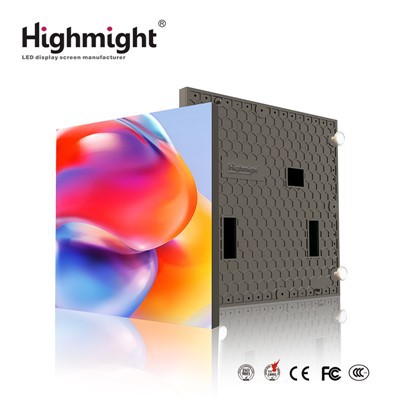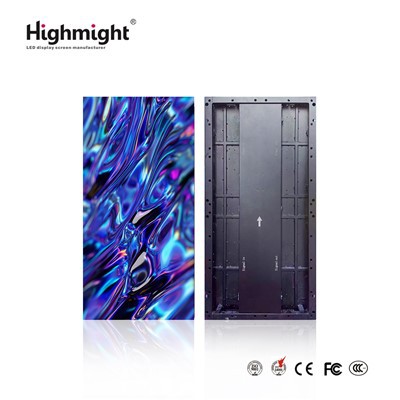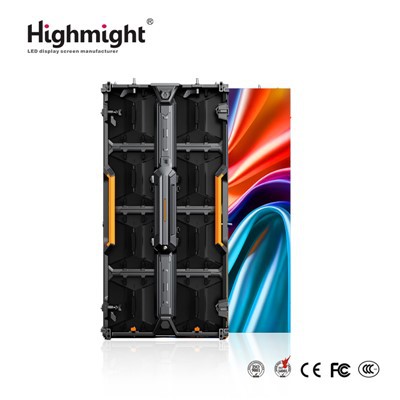



As a supplier of large outdoor LED screens, I often encounter inquiries about the adaptability of these screens to different climates. In this blog post, I will delve into this topic, exploring how our large outdoor LED screens can withstand various environmental conditions, from scorching deserts to freezing polar regions.
Understanding the Importance of Climate Adaptability
Outdoor LED screens are exposed to a wide range of weather conditions, including extreme temperatures, humidity, rain, snow, and sunlight. These factors can have a significant impact on the performance, lifespan, and overall reliability of the screens. Therefore, it is crucial to ensure that the screens are designed and manufactured to be highly adaptable to different climates.
High - Temperature Resistance
In regions with high temperatures, such as deserts or tropical areas, the heat can cause the internal components of the LED screen to overheat. Overheating can lead to reduced brightness, color distortion, and even permanent damage to the LEDs. Our large outdoor LED screens are equipped with advanced heat dissipation systems. These systems typically include heat sinks, fans, and efficient ventilation designs. The heat sinks are made of high - thermal - conductivity materials that can quickly transfer the heat generated by the LEDs to the surrounding environment. The fans help to circulate the air, enhancing the cooling effect.
For example, in the deserts of the Middle East, where temperatures can soar above 50°C (122°F) during the summer months, our LED screens have been able to maintain stable performance. The high - temperature resistance of our screens ensures that they can continue to display vivid and clear images, even in the most extreme heat. You can learn more about our high - performance screens at High Brightness LED Outdoor Screen.
Low - Temperature Resistance
On the other end of the spectrum, cold climates present their own set of challenges. In freezing temperatures, the performance of the LED screen can be affected. The materials used in the screen, such as the plastics and adhesives, may become brittle and crack. The electrical components may also experience reduced efficiency.
Our large outdoor LED screens are designed with low - temperature - resistant materials. The LEDs themselves are tested to operate effectively at low temperatures. Additionally, we use special insulation materials to protect the internal components from the cold. In cold regions like northern Canada or Russia, where winter temperatures can drop below - 30°C (- 22°F), our screens have proven to be reliable. They can still display sharp images and maintain their brightness, ensuring that advertising and information are effectively conveyed even in the coldest conditions.
Humidity and Moisture Resistance
Humidity and moisture can be extremely damaging to outdoor LED screens. Moisture can seep into the internal components, causing short - circuits, corrosion, and mold growth. Our screens are built with a high level of protection against humidity and moisture. They are typically enclosed in a waterproof and dustproof housing with an IP (Ingress Protection) rating. For example, an IP65 - rated screen means that it is completely protected against dust ingress and can withstand low - pressure water jets from any direction.
In coastal areas or regions with high humidity, such as Southeast Asia, our LED screens have been able to resist the effects of moisture. The sealed housing prevents water and moisture from entering the screen, ensuring its long - term reliability. To explore our moisture - resistant LED screens, visit LED Outdoor Full Color Screen.
Sunlight and UV Resistance
Constant exposure to sunlight can cause the colors of the LED screen to fade over time. Ultraviolet (UV) rays can also damage the materials used in the screen, such as the front cover and the protective coating. Our large outdoor LED screens are treated with UV - resistant materials and coatings. These coatings can block a significant amount of UV rays, protecting the internal components and maintaining the color accuracy of the screen.


In sunny regions like Australia or southern California, our screens can maintain their vivid colors and high brightness levels even after years of exposure to direct sunlight. The high - quality materials and coatings ensure that the screen looks as good as new for a long time.
Wind and Dust Resistance
In some areas, strong winds and dust storms are common. High - speed winds can exert a significant force on the LED screen, and dust can accumulate on the screen surface, affecting its visibility. Our screens are designed with a sturdy structure to withstand strong winds. The frames are made of high - strength materials, and the installation is carefully engineered to ensure stability.
Regarding dust, the aforementioned IP - rated enclosures prevent dust from entering the internal components. This is particularly important in arid regions like the Sahara Desert or the Gobi Desert. Our screens can continue to function properly, even in dusty and windy conditions. More details about our robust outdoor LED advertising solutions can be found at Outdoor LED Advertising Large Screen.
Conclusion
In conclusion, our large outdoor LED screens are highly adaptable to different climates. Through advanced design, high - quality materials, and rigorous testing, we ensure that our screens can perform well in a wide range of environmental conditions. Whether it's the extreme heat of the deserts, the freezing cold of the polar regions, the high humidity of coastal areas, or the strong sunlight in sunny locations, our screens are up to the task.
If you are looking for a reliable large outdoor LED screen for your advertising, information display, or other outdoor applications, we are here to help. Our team of experts can provide you with detailed information and customized solutions based on your specific climate requirements. Contact us today to start the procurement and negotiation process, and let us help you find the perfect outdoor LED screen for your needs.
References
- Smith, J. (2018). "Advances in Outdoor LED Screen Technology for Harsh Environments." Journal of Display Technology, 14(3), 221 - 230.
- Brown, A. (2019). "Climate - Resistant Outdoor LED Displays: A Review." International Journal of Electronic Displays, 21(2), 112 - 125.
- Green, C. (2020). "The Impact of Environmental Factors on Outdoor LED Screen Performance." Proceedings of the International Symposium on Display Technology, 45 - 52.