


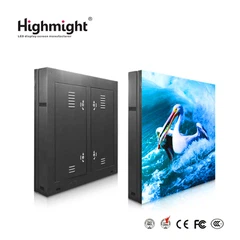

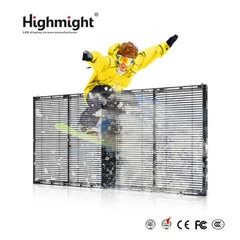


Hey there! As a supplier of P1.2 Small Pitch LED Displays, I often get asked about the differences between indoor and outdoor P1.2 small pitch LED displays. Well, let's dive right in and break it down.
1. Brightness
One of the most obvious differences between indoor and outdoor P1.2 small pitch LED displays is the brightness. Outdoor environments are exposed to direct sunlight, so outdoor displays need to be super bright to be visible. A typical outdoor P1.2 LED display can have a brightness of around 5000 - 7000 nits. That's crazy bright! It has to compete with the sun, after all.
On the other hand, indoor environments are much darker. There's no direct sunlight, and the lighting is usually controlled. So, indoor P1.2 small pitch LED displays don't need to be as bright. They typically have a brightness of around 800 - 1500 nits. This lower brightness is not only sufficient for indoor viewing but also helps save energy.
2. Viewing Distance
Viewing distance also plays a big role in the difference between indoor and outdoor P1.2 small pitch LED displays. In indoor settings, people usually view the display from a relatively short distance. For example, in a conference room or a retail store, viewers might be just a few meters away from the screen. The P1.2 pitch, which means the distance between each pixel is 1.2mm, provides a high - resolution image that looks great up close.
Outdoor displays, however, are often viewed from a much greater distance. Think about a billboard on the side of a highway. People are driving by at high speeds and looking at the display from tens or even hundreds of meters away. Even though the P1.2 pitch is very small, the high brightness and large size of the outdoor display make it visible and impactful from afar.
3. Environmental Resistance
Outdoor P1.2 small pitch LED displays have to withstand all kinds of harsh environmental conditions. They are exposed to rain, snow, extreme temperatures, and UV radiation. So, they are built with special protective features. The cabinets are usually made of weather - resistant materials, and the LEDs are encapsulated to prevent moisture and dust from getting in. They also have a high IP (Ingress Protection) rating, like IP65 or higher, which means they are dust - tight and can withstand low - pressure water jets.
Indoor displays, on the other hand, are in a controlled environment. They don't need to worry about rain or extreme temperatures. So, they don't have the same level of environmental protection. However, they still need to be well - ventilated to prevent overheating, especially if they are running for long periods.
4. Installation and Maintenance
Installing an outdoor P1.2 small pitch LED display is a much more complex process than an indoor one. Outdoor displays are usually larger and heavier, and they need to be securely mounted on a structure that can withstand wind and other external forces. Installation often requires special equipment and professional installation teams.
Maintenance of outdoor displays is also more challenging. Accessing the display for repairs or replacements can be difficult, especially if it's mounted on a tall building or in a hard - to - reach location. And because they are exposed to the elements, they may require more frequent maintenance to ensure optimal performance.
Indoor displays are generally easier to install. They can be wall - mounted or ceiling - suspended, and the installation process is usually quicker and less complicated. Maintenance is also more straightforward, as they are in a more accessible and controlled environment.
5. Cost
Cost is another factor that differentiates indoor and outdoor P1.2 small pitch LED displays. Outdoor displays are more expensive to manufacture due to their higher brightness requirements, environmental protection features, and larger size. The cost of installation and maintenance is also higher.
Indoor displays are relatively more affordable. The lower brightness, less complex environmental protection, and easier installation and maintenance all contribute to a lower overall cost.
6. Application Scenarios
The application scenarios for indoor and outdoor P1.2 small pitch LED displays are quite different. Indoor P1.2 small pitch LED displays are commonly used in places like corporate offices for presentations, retail stores for product promotion, and entertainment venues for live events. They provide a high - quality visual experience for a relatively small and close - range audience. You can check out our Indoor LED Small Pitch Screen for more information on indoor applications.


Outdoor P1.2 small pitch LED displays are mainly used for advertising billboards, stadium displays, and public information displays. They are designed to attract the attention of a large and diverse audience from a distance.
7. Color Accuracy and Contrast
Color accuracy and contrast are important for both indoor and outdoor P1.2 small pitch LED displays, but there are some differences. Indoor displays can achieve very high color accuracy and contrast ratios because of the controlled lighting environment. This makes them ideal for applications where accurate color representation is crucial, such as art galleries or high - end retail stores.
Outdoor displays also have good color accuracy and contrast, but they need to be optimized for outdoor viewing. The high brightness can sometimes affect the perceived contrast, so special algorithms are used to enhance the contrast and make the colors pop even in bright sunlight.
In conclusion, while both indoor and outdoor P1.2 small pitch LED displays share the same P1.2 pixel pitch, they have significant differences in brightness, viewing distance, environmental resistance, installation and maintenance, cost, application scenarios, and color performance.
If you're in the market for a P1.2 small pitch LED display, whether it's for indoor or outdoor use, we've got you covered. Our P1.2 Small Pitch LED Display offers high - quality performance and reliability. And if you're looking for a more general option, check out our Small Pitch Full Color LED Display.
If you have any questions or want to discuss your specific requirements, don't hesitate to reach out. We're here to help you find the perfect display solution for your needs.
References
- LED Display Technology Handbook
- Industry reports on LED display applications


