





As a dedicated supplier of LED floor tile screens, I often encounter questions from clients about various aspects of our products. One of the most frequently asked questions is about the aging resistance of LED floor tile screens. In this blog, I'll delve into what aging resistance means for LED floor tile screens, why it's crucial, and how our products stand out in this regard.
Understanding Aging Resistance in LED Floor Tile Screens
Aging resistance in LED floor tile screens refers to the ability of the screens to maintain their performance and quality over an extended period. When an LED floor tile screen is installed, it is expected to operate continuously for long hours, often in challenging environments. Factors such as heat, humidity, and electrical stress can gradually degrade the components of the screen, leading to a decline in performance.
The primary components of an LED floor tile screen that are susceptible to aging include the LEDs themselves, the circuit boards, and the protective layers. Over time, the brightness of the LEDs may decrease, the color accuracy may shift, and the circuit boards may experience reduced conductivity. These issues can result in a less vibrant and less reliable display, which is unacceptable for most applications.
Why Aging Resistance Matters
Aging resistance is of utmost importance for several reasons. Firstly, for commercial applications, such as in shopping malls, museums, or stage performances, a consistent and high - quality display is essential. If the LED floor tile screen starts to show signs of aging too soon, it can negatively impact the visual experience of the audience and damage the brand image of the venue.
Secondly, from a cost - effectiveness perspective, a screen with good aging resistance means less frequent replacements. This not only saves on the cost of purchasing new screens but also reduces the labor and downtime associated with installation and maintenance. For businesses, this can lead to significant long - term savings.
Finally, in terms of environmental impact, a longer - lasting LED floor tile screen reduces electronic waste. By choosing a screen with high aging resistance, we are contributing to a more sustainable future.

Factors Affecting Aging Resistance
1. Quality of LEDs
The quality of the LEDs used in the floor tile screen is a major determinant of aging resistance. High - quality LEDs are made from better materials and have more precise manufacturing processes. They are designed to withstand higher temperatures and have a more stable light output over time. At our company, we source only the best - in - class LEDs from reputable manufacturers. These LEDs are rigorously tested to ensure they meet our strict standards for brightness, color accuracy, and longevity.
2. Heat Dissipation
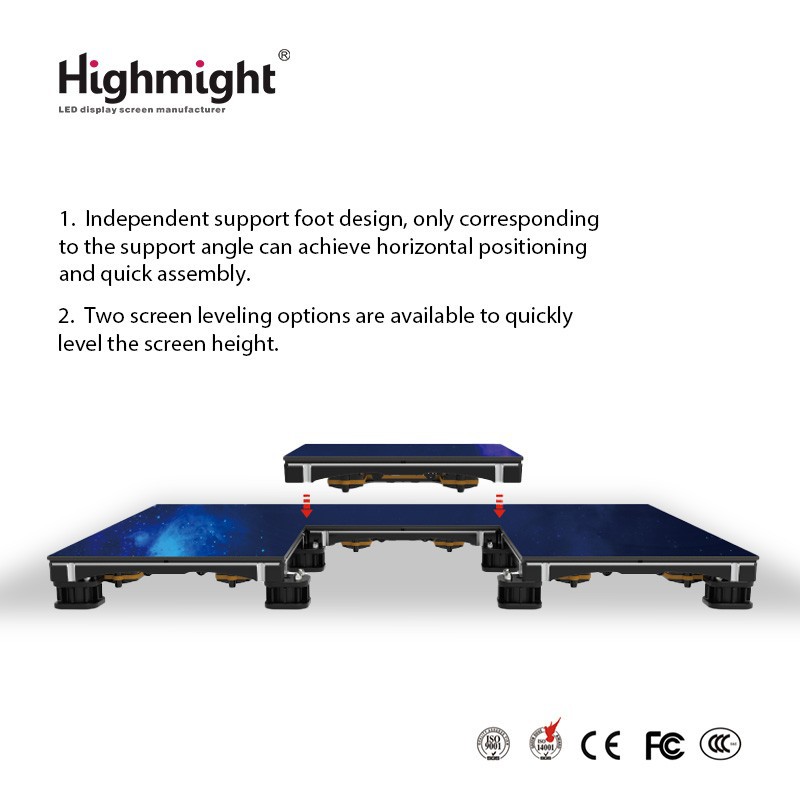
Heat is one of the main enemies of LED components. When an LED operates, it generates heat, and if this heat is not dissipated effectively, it can accelerate the aging process. Our LED floor tile screens are equipped with advanced heat dissipation systems. These systems use heat sinks, fans, or other cooling mechanisms to keep the temperature of the LEDs within an optimal range. By reducing the operating temperature, we can significantly extend the lifespan of the LEDs and improve the overall aging resistance of the screen.
3. Environmental Protection
LED floor tile screens are often exposed to various environmental factors such as dust, moisture, and chemicals. To protect the internal components from these elements, our screens are designed with high - quality protective layers. The screens are IP - rated, which means they are resistant to water and dust ingress. Additionally, the circuit boards are coated with a protective film to prevent corrosion.
4. Electrical Design
A well - designed electrical system is crucial for the aging resistance of LED floor tile screens. Our electrical design ensures a stable power supply to the LEDs, minimizing the risk of voltage fluctuations that can damage the components. We also use high - quality capacitors and resistors that are less prone to aging and have a more stable performance over time.
Our Company's Approach to Aging Resistance
At our company, we are committed to providing LED floor tile screens with excellent aging resistance. We invest heavily in research and development to continuously improve our products. Our R & D team is constantly exploring new materials and technologies to enhance the performance and longevity of our screens.
We also conduct extensive testing on our products. Before a new model is released, it undergoes a series of accelerated aging tests. These tests simulate years of normal use in a short period, allowing us to identify any potential aging issues and make necessary improvements.
Product Range and Aging Resistance
We offer a wide range of LED floor tile screens, each designed to meet different customer needs. For example, our High Resolution LED Floor Screen is ideal for applications where a sharp and detailed image is required. Thanks to our focus on aging resistance, this screen can maintain its high - resolution display for a long time.
Our Color LED Floor Screen is known for its vivid and accurate color reproduction. With high - quality LEDs and advanced color management systems, the color accuracy of this screen remains stable even after years of use.
The High Brightness LED Floor Screen is suitable for outdoor or brightly lit environments. It is designed to withstand harsh conditions and still maintain its high brightness over time.
Testing and Certification
To ensure the aging resistance of our products, we conduct a variety of tests. In addition to the accelerated aging tests mentioned earlier, we also perform long - term reliability tests. These tests involve running the screens continuously for months or even years to monitor their performance over time.
Our products are also certified by international standards organizations. These certifications serve as a guarantee of the quality and aging resistance of our LED floor tile screens. They give our customers peace of mind knowing that they are investing in a reliable and long - lasting product.
Conclusion
In conclusion, aging resistance is a critical factor when choosing an LED floor tile screen. It affects the performance, cost - effectiveness, and environmental impact of the screen. At our company, we are dedicated to providing LED floor tile screens with outstanding aging resistance. Through the use of high - quality components, advanced design, and rigorous testing, our screens are built to last.
If you are interested in learning more about our LED floor tile screens or would like to discuss a potential project, we invite you to reach out to us. Our team of experts is ready to assist you in finding the perfect solution for your needs. Whether it's for a small - scale event or a large - scale commercial installation, we have the right product for you.
References
- Smith, J. (2019). LED Lighting Technology: Principles and Applications. Publisher X.
- Chen, L. (2020). Advances in LED Display Technology. Journal of Display Science, 15(2), 123 - 135.
- International Electrotechnical Commission (IEC). (2021). Standards for LED Lighting Products. IEC Publication No. 62717.


