


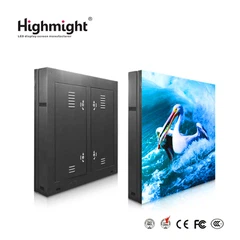

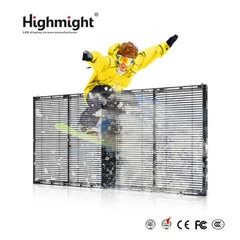


In the dynamic landscape of display technology, the LED crystal film screen has emerged as a revolutionary product, offering a unique blend of innovation, aesthetics, and functionality. As a supplier of LED crystal film screens, I am excited to delve into the intricacies of this remarkable technology and explore its diverse applications.
Understanding the LED Crystal Film Screen
At its core, an LED crystal film screen is a cutting - edge display solution that combines the high - brightness and energy - efficient properties of LED technology with the thin, flexible, and transparent characteristics of a film. This unique combination results in a display that is not only visually stunning but also highly versatile in terms of installation and use.
The LED components in the crystal film screen are arranged in a precise grid pattern. These LEDs are incredibly small, often micro - sized, which allows for a high pixel density and sharp image quality. The film itself is made from a special polymer material that is engineered to be transparent, enabling light to pass through while still maintaining the structural integrity required to support the LED array.
One of the most significant advantages of an LED crystal film screen is its transparency. Unlike traditional displays, which are opaque and block the view behind them, an LED crystal film screen can transmit up to 80% or more of light, depending on the specific model. This makes it ideal for applications where maintaining a clear line of sight is crucial, such as storefront windows, museum exhibits, and architectural installations.
Technical Specifications
To fully appreciate the capabilities of an LED crystal film screen, it is essential to understand its key technical specifications.
Pixel Pitch
Pixel pitch refers to the distance between the centers of two adjacent LEDs. A smaller pixel pitch means a higher pixel density, which in turn results in a sharper and more detailed image. In LED crystal film screens, pixel pitches can range from a few millimeters to less than a millimeter, depending on the intended application. For applications where the viewer is close to the screen, such as in a retail store or a museum, a smaller pixel pitch is preferred to ensure a high - quality viewing experience.
Brightness
Brightness is measured in nits and is an important factor in determining the visibility of the screen in different lighting conditions. LED crystal film screens typically have high brightness levels, often ranging from 1000 to 5000 nits or more. This high brightness allows the screen to be clearly visible even in bright sunlight or well - lit indoor environments.


Contrast Ratio
The contrast ratio is the ratio between the brightest white and the darkest black that the screen can display. A high contrast ratio results in more vivid colors, deeper blacks, and a more immersive viewing experience. LED crystal film screens can achieve contrast ratios of up to 1000:1 or higher, ensuring that images and videos appear sharp and vibrant.
Refresh Rate
The refresh rate refers to the number of times per second that the screen updates the image. A higher refresh rate reduces motion blur and ghosting, making the screen ideal for displaying fast - moving content such as sports events or action movies. LED crystal film screens usually have refresh rates of 60 Hz or higher, providing a smooth and seamless viewing experience.
Applications of LED Crystal Film Screens
The unique properties of LED crystal film screens make them suitable for a wide range of applications across various industries.
Retail
In the retail industry, LED crystal film screens can be used to create eye - catching window displays that attract customers and showcase products in a dynamic way. For example, a clothing store can use a crystal film screen on its storefront window to display virtual models wearing the latest fashion trends. The transparency of the screen allows passers - by to see inside the store while still being engaged by the digital content. Additionally, these screens can be used inside the store to provide product information, promotions, and interactive experiences for customers.
Architecture and Interior Design
Architects and interior designers are increasingly incorporating LED crystal film screens into their projects to add a modern and innovative touch. These screens can be used as partitions, decorative elements, or even as part of the building's facade. For instance, in a corporate lobby, a large LED crystal film screen can be installed as a partition between different areas. The screen can display corporate branding, news, or artistic content, creating a visually appealing and functional space.
Museums and Exhibitions
Museums and exhibitions can benefit greatly from the use of LED crystal film screens. They can be used to enhance the visitor experience by providing additional information about the exhibits, creating immersive environments, or displaying historical images and videos. For example, in an art museum, a crystal film screen can be placed behind a painting to provide background information about the artist and the painting's creation process. The transparency of the screen ensures that it does not detract from the view of the artwork.
Entertainment
In the entertainment industry, LED crystal film screens can be used in theaters, concert venues, and theme parks. They can be used as stage backdrops to create dynamic and immersive visual effects. For example, during a concert, a large LED crystal film screen can be used to display high - resolution images and videos that synchronize with the music, enhancing the overall performance.
Advantages of Choosing Our LED Crystal Film Screens
As a supplier of LED crystal film screens, we take pride in offering products that stand out in the market.
High - Quality Materials
We use only the highest - quality materials in the manufacturing of our LED crystal film screens. The LEDs are sourced from reputable manufacturers known for their reliability and performance. The film material is carefully selected to ensure maximum transparency, durability, and flexibility.
Customization
We understand that every customer has unique requirements. That's why we offer customization options for our LED crystal film screens. We can customize the size, shape, pixel pitch, and other specifications to meet the specific needs of your project. Whether you need a small, square screen for a retail display or a large, curved screen for an architectural installation, we can deliver a solution that fits your exact requirements.
Excellent After - Sales Service
Our commitment to customer satisfaction extends beyond the sale of our products. We offer comprehensive after - sales service, including installation support, maintenance, and technical assistance. Our team of experts is always available to answer your questions and ensure that your LED crystal film screen operates smoothly.
Contact Us for Your LED Crystal Film Screen Needs
If you are interested in learning more about our LED Transparent Crystal Film Screen or would like to discuss a potential project, we encourage you to get in touch with us. Our team of sales representatives is ready to provide you with detailed information, offer customized solutions, and assist you in the procurement process. Whether you are a retailer looking to enhance your storefront, an architect working on a new project, or a museum curator planning an exhibition, our LED crystal film screens can provide the perfect display solution.
References
- Smith, J. (2022). Advances in LED Display Technology. Journal of Display Science, 15(3), 123 - 135.
- Johnson, A. (2023). The Future of Transparent Displays. Display Technology Review, 20(2), 45 - 56.
- Brown, C. (2021). Applications of LED Crystal Film Screens in Different Industries. Industrial Design Magazine, 12(4), 78 - 85.


