


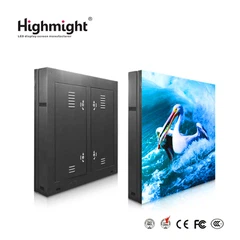




Hey there! As a supplier of LED floor tile screens, I'm super excited to walk you through the installation process step by step. Whether you're looking for a Color LED Floor Screen to add a splash of color to an event, an LED Floor Tile Advertising Display for commercial use, or a High Resolution LED Floor Screen for a high - end venue, this guide is for you.
Step 1: Site Inspection
Before you even start unpacking those shiny LED floor tile screens, you gotta do a thorough site inspection. Check the floor where you plan to install the screens. It should be flat, clean, and able to support the weight of the screens. Any unevenness can cause problems later on, like the tiles not fitting properly or even getting damaged.
Measure the area accurately. You don't want to end up with too many or too few tiles. Make sure to account for any obstacles, like pillars or pipes, that might affect the installation. Also, think about the power supply and data connections. You need to have easy access to a reliable power source and a stable network if you're planning to display dynamic content.
Step 2: Prepare the Tools and Materials
Once you've got the site sorted, it's time to gather your tools and materials. You'll need basic tools like a screwdriver, a level, and a measuring tape. Depending on the type of installation, you might also need adhesive, brackets, or a mounting frame.
Don't forget about safety equipment. Since you'll be working on the floor, knee pads are a must - have. Safety glasses can protect your eyes from any debris, and gloves will keep your hands safe from sharp edges.
Step 3: Unpack and Inspect the Tiles
Carefully unpack the LED floor tile screens. Check each tile for any visible damage during shipping. Look for cracks, loose parts, or any signs of malfunction. If you find any issues, contact us right away. We'll make sure to replace the damaged tiles as soon as possible.
While you're at it, familiarize yourself with the tile design. Some tiles might have specific connectors or locking mechanisms that you need to understand before installation.
Step 4: Layout Planning
Now, it's time to plan the layout of the tiles. Start by laying out a few tiles on the floor in the desired pattern. You can use the measurements you took during the site inspection to guide you. Make sure the tiles are aligned properly and that there are no gaps between them.
If you're creating a custom design or a pattern, this is the time to get creative. You can use a chalk line or a tape measure to mark the position of each tile on the floor. This will make the actual installation much easier and more accurate.
Step 5: Install the First Row
Begin the installation by placing the first row of tiles. Use a level to ensure that the tiles are perfectly horizontal. If the floor is uneven, you might need to use shims to adjust the height of the tiles.
Connect the tiles in the first row using the provided connectors. Make sure the connections are secure. You can use a screwdriver or a locking mechanism, depending on the tile design.
Step 6: Continue Installing the Rows
Once the first row is in place, start installing the subsequent rows. Align each new row with the previous one, making sure the tiles fit snugly together. Check the alignment and levelness regularly as you go.
As you install more rows, connect the power and data cables. Be careful not to pinch or damage the cables. You can use cable clips or ties to keep the cables organized and out of the way.
Step 7: Secure the Tiles
After all the tiles are installed, it's time to secure them. Depending on the installation method, you might need to use adhesive to stick the tiles to the floor or brackets to attach them to a mounting frame.
Make sure the tiles are firmly secured to prevent any movement or shifting. This is especially important if the area will be subject to heavy foot traffic.
Step 8: Connect the Power and Data
Connect the power supply to the LED floor tile screens. Double - check the voltage and make sure the power source is compatible with the tiles. You might need to use a power distributor or a transformer if necessary.
Next, connect the data cables. This will allow you to control the content displayed on the screens. You can use a computer or a media player to send the data to the tiles. Test the connection to make sure the screens are receiving the signal correctly.
Step 9: Test the Screens
Before you call the installation complete, it's crucial to test the LED floor tile screens. Turn on the power and check if all the tiles are working properly. Look for any dead pixels, color inconsistencies, or other issues.
Display some test content, like a solid color or a simple animation, to make sure the screens are displaying the content as expected. If you encounter any problems, troubleshoot the issue or contact our technical support team for assistance.
Step 10: Final Checks and Cleanup
Once the screens are working perfectly, do a final check of the installation. Make sure all the tiles are securely in place, the cables are properly connected, and there are no loose parts.
Clean up the installation area. Remove any packaging materials, tools, or debris. You can also give the screens a gentle wipe to remove any fingerprints or dust.
And there you have it! You've successfully installed your LED floor tile screens. Whether it's for a retail store, a nightclub, or a special event, these screens are sure to make a big impact.
If you're interested in purchasing LED floor tile screens or have any questions about the installation process, don't hesitate to reach out. We're here to help you every step of the way.


References
- General knowledge and experience in the LED floor tile screen industry.


