





When it comes to lighting solutions, high - quality LED modules have emerged as a top choice for many industries and applications. As a supplier of High-quality LED Module, I have witnessed firsthand the growing demand for these advanced lighting components. However, one question that frequently arises from our customers is about the maintenance cost of high - quality LED modules. In this blog post, I will delve into the factors that influence the maintenance cost of these modules and provide a comprehensive understanding of what to expect.
1. Initial Quality and Its Impact on Maintenance Cost
The quality of an LED module at the time of purchase is a significant determinant of its long - term maintenance cost. High - quality LED modules are engineered with superior materials and advanced manufacturing processes. They typically use high - grade semiconductor chips, which are more efficient and have a longer lifespan. For example, a well - made LED module may have a rated lifespan of 50,000 to 100,000 hours, compared to lower - quality modules that might only last 10,000 to 20,000 hours.
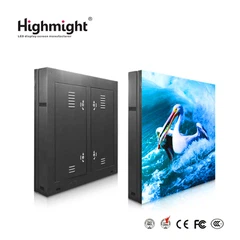
A longer lifespan means fewer replacements over time. If you are using LED modules in a large - scale installation, such as an Outdoor Large Screen Display, the cost of replacing a failed module can be substantial. This includes not only the cost of the new module but also the labor cost for installation. High - quality modules reduce the frequency of such replacements, thereby lowering the overall maintenance cost.

Moreover, high - quality LED modules are more resistant to environmental factors such as temperature fluctuations, humidity, and dust. They are often designed with better heat dissipation mechanisms, which prevent overheating and subsequent damage to the chips. In contrast, lower - quality modules may be more prone to failure in harsh environments, leading to increased maintenance requirements.
2. Energy Efficiency and Maintenance
Energy efficiency is another crucial aspect related to the maintenance cost of LED modules. High - quality LED modules are generally more energy - efficient than their lower - quality counterparts. They convert a higher percentage of electrical energy into light, wasting less energy as heat.
This energy efficiency has a direct impact on maintenance. Since less heat is generated, the components within the module are subjected to less thermal stress. Heat is one of the main factors that can cause the degradation of LED chips and other electronic components over time. By reducing heat, high - quality LED modules can maintain their performance for a longer period, reducing the need for maintenance.
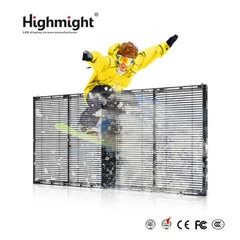
In addition, energy - efficient LED modules can also lead to cost savings on electricity bills. This is an indirect but significant benefit, especially for large - scale installations where energy consumption can be a major expense. For instance, in a commercial building with a large number of Transparent LED Advertising Screen, the cumulative energy savings over the lifespan of the LED modules can be quite substantial.
3. Control Systems and Maintenance
Many high - quality LED modules come with advanced control systems. These systems allow for precise adjustment of brightness, color temperature, and other lighting parameters. They can also monitor the performance of the LED modules in real - time.
The ability to adjust lighting parameters can optimize the use of the LED modules. For example, in an indoor lighting application, the brightness of the LED modules can be reduced during periods of low occupancy, which not only saves energy but also extends the lifespan of the modules.
The real - time monitoring function provided by the control systems is extremely valuable for maintenance. It can detect early signs of module failure, such as a decrease in brightness or an abnormal color shift. By identifying these issues early, maintenance can be scheduled in a timely manner, preventing more serious problems and minimizing downtime. This proactive approach to maintenance can significantly reduce the overall maintenance cost.
4. Installation and Maintenance Practices
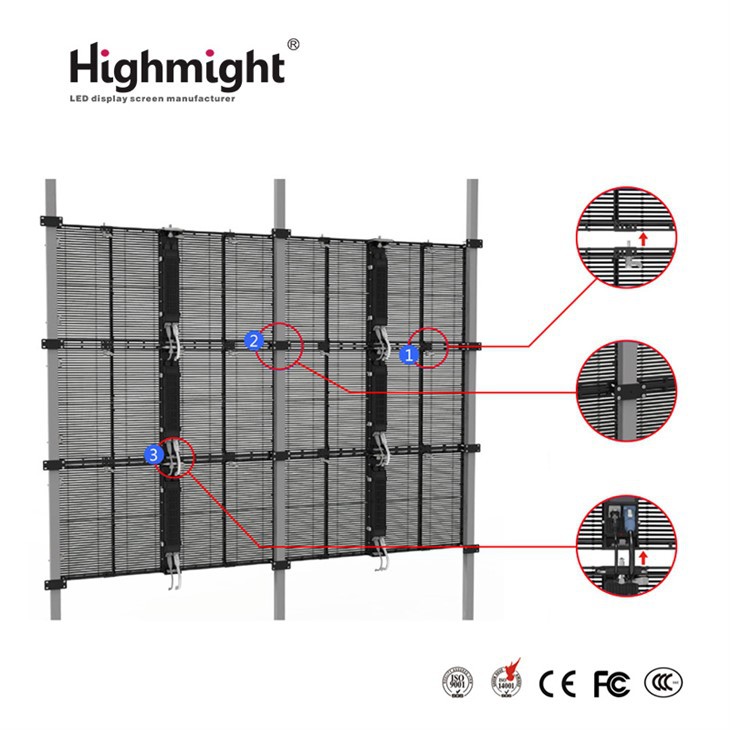
Proper installation is essential for minimizing the maintenance cost of high - quality LED modules. If the modules are not installed correctly, they may be subject to mechanical stress, improper electrical connections, or poor ventilation. These issues can lead to premature failure of the modules.
When installing LED modules, it is important to follow the manufacturer's instructions carefully. This includes ensuring the correct mounting, proper wiring, and adequate ventilation. Professional installation by trained technicians can help to avoid many potential problems.
Regular maintenance practices also play a key role. This includes cleaning the modules to remove dust and debris, which can accumulate over time and affect the performance of the LEDs. Inspecting the electrical connections and control systems periodically can also help to identify and address any potential issues before they become major problems.
5. Cost Comparison with Other Lighting Technologies
When considering the maintenance cost of high - quality LED modules, it is useful to compare them with other traditional lighting technologies. For example, incandescent bulbs have a very short lifespan and are highly inefficient. They need to be replaced frequently, and the energy consumption is much higher.
Fluorescent lamps also have their own maintenance issues. They contain mercury, which requires special disposal procedures when they reach the end of their life. In addition, fluorescent lamps may experience problems such as flickering and color degradation over time.
In contrast, high - quality LED modules offer a more cost - effective and environmentally friendly solution. Although the initial cost of LED modules may be higher than some traditional lighting options, the long - term savings in terms of maintenance and energy consumption make them a more attractive choice.
6. Conclusion and Call to Action
In conclusion, the maintenance cost of high - quality LED modules is influenced by several factors, including initial quality, energy efficiency, control systems, installation, and maintenance practices. While the upfront investment in high - quality LED modules may be higher, the long - term benefits in terms of reduced maintenance, energy savings, and improved performance are well worth it.
If you are in the market for high - quality LED modules for your lighting project, whether it is an indoor display, an outdoor large - screen installation, or a transparent advertising screen, we are here to help. Our team of experts can provide you with detailed information about our products and assist you in choosing the right LED modules for your specific needs. Contact us today to start a discussion about your requirements and explore the possibilities of using our high - quality LED modules. Let's work together to create a more efficient and sustainable lighting solution.
References
- "LED Lighting Handbook", published by the Illuminating Engineering Society
- Research papers on LED technology and energy efficiency from academic journals such as "Journal of Solid - State Lighting"
- Industry reports on the lighting market and trends from market research firms.


