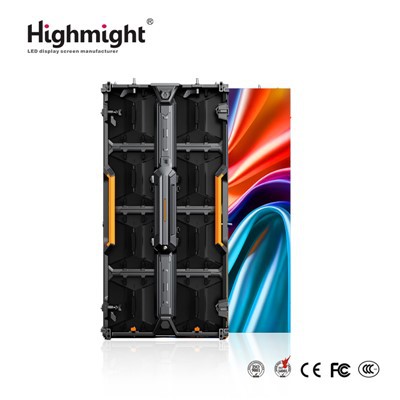



In the dynamic world of event technology, indoor rental LED displays have emerged as a cornerstone for creating immersive and impactful visual experiences. One of the most critical yet often misunderstood specifications of these displays is the refresh rate. As a trusted indoor rental LED display supplier, I'm here to shed light on what refresh rate means, why it matters, and how it can elevate your next event.
Understanding Refresh Rate
At its core, the refresh rate of an indoor rental LED display refers to the number of times per second the display updates the image it shows. It is measured in Hertz (Hz). For instance, a display with a refresh rate of 60 Hz updates the image 60 times every second. This continuous updating is what gives the illusion of smooth motion and fluidity on the screen.
The refresh rate is closely related to the human eye's perception. Our eyes are incredibly sensitive to changes in light and motion. A low refresh rate can result in visible flicker, which not only looks unprofessional but can also cause eye strain and discomfort for viewers. On the other hand, a high refresh rate ensures a stable and flicker - free image, providing a much more pleasant viewing experience.
Why Refresh Rate Matters in Indoor Rental LED Displays
1. Visual Quality
When it comes to indoor events, visual quality is paramount. Whether it's a corporate presentation, a live concert, or a trade show, the audience expects crisp, clear, and vibrant visuals. A high refresh rate contributes significantly to achieving this. It eliminates the jagged edges and blurring that can occur during fast - moving scenes, such as action sequences in a video or the rapid movement of dancers on stage. This results in a more engaging and professional - looking display that captures the audience's attention.
2. Camera Compatibility
In today's digital age, events are often filmed and broadcasted. A low refresh rate can cause issues when filming an indoor rental LED display. Cameras capture images in a series of frames, and if the refresh rate of the display is not compatible with the camera's frame rate, it can lead to moiré patterns or flickering in the recorded footage. This can be a major problem, especially for events that are being streamed live or recorded for later distribution. A high refresh rate display reduces the risk of these issues, ensuring that the footage looks as good as the live experience.
3. Audience Comfort
As mentioned earlier, a low refresh rate can cause eye strain and discomfort for viewers. In an indoor setting where people may be sitting or standing in front of the display for an extended period, this can quickly become a distraction. By providing a high refresh rate display, you are not only enhancing the visual appeal of the event but also ensuring the comfort of your audience. This can lead to a more positive overall experience and a greater appreciation for the event.
Different Refresh Rates and Their Applications
1. Standard Refresh Rates (60 - 120 Hz)
These are the most common refresh rates found in basic indoor rental LED displays. They are suitable for static or slow - moving content, such as corporate presentations, product showcases, and informational displays. For events where the audience is mainly focused on reading text or viewing still images, a standard refresh rate can provide a satisfactory viewing experience. However, for more dynamic content, these refresh rates may not be sufficient.
2. High Refresh Rates (120 - 240 Hz)
High refresh rates are ideal for events that involve fast - moving content, such as live sports broadcasts, concerts, and action - packed video games. They offer a significant improvement in visual quality, reducing flicker and providing a smoother, more fluid image. Many professional event organizers prefer high refresh rate displays for high - profile events to ensure that the visuals are top - notch.
3. Ultra - High Refresh Rates (240 Hz and above)
Ultra - high refresh rates are the gold standard for the most demanding applications. They are commonly used in high - end corporate events, large - scale concerts, and high - definition video production. These displays offer the ultimate in visual quality, providing a virtually flicker - free and incredibly smooth image. While they may come at a higher cost, the investment is often worth it for events where visual perfection is a must.
Our Offerings as an Indoor Rental LED Display Supplier
As an indoor rental LED display supplier, we understand the importance of refresh rate and offer a wide range of displays to meet different needs. Our Rent Indoor LED Screen options come with various refresh rates, allowing you to choose the one that best suits your event. Whether you need a standard refresh rate for a simple presentation or an ultra - high refresh rate for a large - scale concert, we have the solution for you.


We also offer Custom Indoor LED Rental Display services. Our team of experts can work with you to design a display that meets your specific requirements, including the desired refresh rate. We take into account factors such as the size of the venue, the type of content, and the audience's viewing distance to ensure that the display provides the best possible visual experience.
For those who require the highest level of visual quality, our High - resolution Indoor LED Rental Display options are equipped with ultra - high refresh rates. These displays are perfect for events where every detail matters, such as high - end corporate meetings and international trade shows.
Choosing the Right Refresh Rate for Your Event
When selecting an indoor rental LED display, it's important to consider several factors to determine the right refresh rate for your event.
1. Content Type
As mentioned earlier, the type of content you will be displaying plays a crucial role in determining the appropriate refresh rate. If your content consists mainly of static images and text, a standard refresh rate may be sufficient. However, if you have fast - moving video, live action, or high - definition graphics, a high or ultra - high refresh rate is recommended.
2. Venue Size and Audience Distance
The size of the venue and the distance between the audience and the display also impact the choice of refresh rate. In a large venue with a large - scale display, a higher refresh rate may be necessary to ensure that the image remains clear and flicker - free from all viewing angles. Conversely, in a smaller venue with a closer audience, a lower refresh rate may be acceptable.
3. Budget
Of course, budget is always a consideration. High and ultra - high refresh rate displays typically come at a higher cost. It's important to balance your budget with your visual requirements. Our team can work with you to find the best solution that meets your needs without breaking the bank.
Contact Us for Your Indoor Rental LED Display Needs
If you're planning an indoor event and need an LED display, we're here to help. Our experienced team can guide you through the process of choosing the right refresh rate and display for your event. We offer competitive pricing, high - quality products, and excellent customer service.
Whether you're organizing a small corporate meeting or a large - scale concert, we have the indoor rental LED display solutions to make your event a success. Contact us today to discuss your requirements and start planning your next event with confidence.
References
- "LED Display Technology Handbook" - A comprehensive guide on LED display technology, including refresh rate and its impact on visual quality.
- Industry reports on indoor event technology trends, which highlight the importance of refresh rate in modern indoor rental LED displays.
- Case studies from previous events that demonstrate the difference in visual experience between displays with different refresh rates.