





Hey there! As a supplier of flexible LED displays, I often get asked about the shock - proof level of these nifty gadgets. So, I thought I'd take a deep dive into this topic and share some insights with you.
First off, let's understand what shock - proof means in the context of a flexible LED display. When we say a display is shock - proof, we're talking about its ability to withstand sudden impacts or vibrations without getting damaged. This is super important, especially if you're planning to use the display in environments where it might be bumped into or jostled around.
Factors Affecting Shock - Proof Level
1. Build Material
The materials used to construct a flexible LED display play a huge role in determining its shock - proof capabilities. Most high - quality flexible LED displays are made with durable and flexible substrates. These substrates are often made of materials like polycarbonate or silicone. Polycarbonate is known for its high impact resistance. It can absorb the energy from a shock and prevent it from reaching the delicate LED components. Silicone, on the other hand, is not only flexible but also has good shock - absorbing properties. It can bend and flex under pressure, reducing the risk of damage to the LEDs.
2. Encapsulation Technology
Another crucial factor is the encapsulation technology. This is the process of covering the LED chips to protect them from external factors. A good encapsulation method can significantly enhance the shock - proof level of a flexible LED display. For example, some displays use a multi - layer encapsulation system. The first layer might be a soft gel that absorbs shock, followed by a hard outer shell that provides additional protection. This combination helps to keep the LEDs safe even when the display is subjected to sudden impacts.
3. Design and Structure
The design and structure of the flexible LED display also matter. Displays with a more robust and well - thought - out design are generally more shock - proof. For instance, a display with a reinforced frame can better distribute the force of a shock across the entire structure, rather than concentrating it in one area. Some flexible LED displays also have a modular design, which means that if one part gets damaged, it can be easily replaced without affecting the rest of the display.
Measuring Shock - Proof Level
There isn't a single, standardized way to measure the shock - proof level of a flexible LED display. However, manufacturers often use a combination of tests to evaluate their products. One common test is the drop test. In this test, the display is dropped from a certain height onto a hard surface. The height and the surface can vary depending on the intended use of the display. For indoor displays, a lower drop height might be used, while outdoor displays might be tested from a greater height to simulate more extreme conditions.
Another test is the vibration test. The display is placed on a vibrating platform, and the frequency and amplitude of the vibrations are adjusted to mimic real - world scenarios. The display is then monitored for any signs of damage or malfunction.
Real - World Applications and Shock - Proof Requirements
Indoor Applications
In indoor settings, such as shopping malls, museums, or corporate offices, the shock - proof requirements for flexible LED displays are generally lower. These displays are less likely to be exposed to extreme impacts. However, they still need to be able to withstand minor bumps and vibrations. For example, in a busy shopping mall, people might accidentally brush against the display. A flexible LED display with a decent shock - proof level can handle these minor incidents without getting damaged. If you're looking for an indoor flexible display, you might be interested in our High Brightness Indoor Flexible Module. It's designed to be both bright and durable, making it suitable for indoor use.


Outdoor Applications
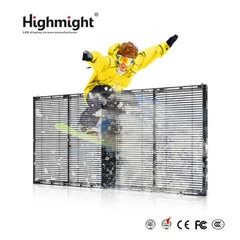
Outdoor applications, on the other hand, require a much higher shock - proof level. Displays used in outdoor advertising, stadiums, or public events are exposed to a wider range of conditions. They can be affected by strong winds, heavy rain, and even accidental impacts from vehicles or equipment. For example, in a stadium, a ball might hit the display during a game. A shock - proof flexible LED display can withstand such impacts and continue to function properly. Our High transparency LED crystal film screen is a great option for outdoor advertising, as it combines high transparency with good shock - proof capabilities.
Maintaining the Shock - Proof Level
Even if you have a shock - proof flexible LED display, it's important to take proper care of it to maintain its performance. Regular cleaning is essential to remove dirt and debris that could potentially cause damage. You should also avoid exposing the display to extreme temperatures or humidity, as these conditions can weaken the materials and reduce the shock - proof level.
When installing the display, make sure it's properly secured. A loose or poorly installed display is more likely to be damaged by shocks or vibrations. Follow the manufacturer's installation instructions carefully to ensure a safe and secure installation.
Conclusion
So, there you have it! The shock - proof level of a flexible LED display depends on several factors, including the build material, encapsulation technology, and design. By understanding these factors, you can choose the right display for your specific needs. Whether you're looking for an indoor display for a corporate event or an outdoor display for a large - scale advertising campaign, we've got you covered.
If you're interested in learning more about our flexible LED displays or have any questions about shock - proof levels, don't hesitate to reach out. We're here to help you make the best choice for your project. Let's start a conversation and see how we can meet your display needs!
References
- LED Display Industry Standards and Testing Guidelines
- Research papers on Flexible LED Display Technology
- Manufacturer's product specifications and testing reports


