





Hey there! As a supplier of large outdoor LED screens, I often get asked about the anti - interference ability of these screens. It's a crucial aspect, especially when you're putting up a display in a busy outdoor environment. So, let's dive right in and talk about what the anti - interference ability of a large outdoor LED screen really means.
What is Anti - Interference Ability?
Anti - interference ability refers to the screen's capacity to resist various external disturbances and still display clear, stable images. Outdoors, there are tons of factors that can mess with the normal operation of an LED screen. These include electromagnetic interference, weather conditions, and even light pollution.
Electromagnetic Interference
Electromagnetic interference (EMI) is one of the most common issues. It can come from a variety of sources, like power lines, radio stations, or even other electronic devices nearby. When an LED screen is exposed to EMI, it might experience problems such as flickering, color distortion, or even complete malfunctions.
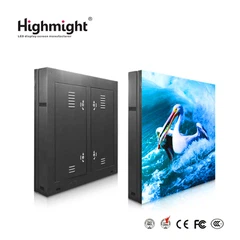
A high - quality large outdoor LED screen should be designed with proper shielding and filtering mechanisms. For example, the use of metal enclosures can act as a Faraday cage, which blocks external electromagnetic fields. Additionally, advanced filtering circuits can be installed to suppress unwanted electrical signals. Our High Brightness LED Outdoor Screen is equipped with state - of - the - art EMI protection features, ensuring a stable display even in areas with high electromagnetic activity.
Weather Conditions
Weather is another major factor that can interfere with the performance of outdoor LED screens. Rain, snow, extreme temperatures, and humidity can all take a toll on the screen. For instance, water can seep into the screen's components, causing short - circuits or corrosion. High temperatures can lead to overheating, which may damage the LEDs and other electronic parts.
That's why waterproofing and temperature control are essential. Our Waterproof Outdoor LED Screen is designed with a high - level waterproof rating. It has a sealed structure that prevents water from entering the internal components. Moreover, it comes with a heat dissipation system that helps maintain a stable temperature, even in hot weather. This way, the screen can keep running smoothly regardless of the weather conditions.
Light Pollution
Light pollution, especially in urban areas, can also affect the visibility of outdoor LED screens. Ambient light from streetlights, car headlights, and other sources can wash out the screen's colors and reduce its contrast. To combat this, large outdoor LED screens need to have high brightness and good contrast ratios.
Our Outdoor LED Advertising Large Screen is engineered to have extremely high brightness levels. This allows the screen to stand out even in bright sunlight or areas with heavy light pollution. The advanced contrast control technology ensures that the colors remain vivid and the images are sharp, making the content on the screen easily visible from a distance.
Measuring Anti - Interference Ability
There are several ways to measure the anti - interference ability of a large outdoor LED screen. One common method is through laboratory testing. Manufacturers can simulate different interference scenarios, such as exposing the screen to specific electromagnetic fields or subjecting it to extreme weather conditions in a controlled environment.


Another way is through real - world testing. Installing the screen in an actual outdoor location and monitoring its performance over time can provide valuable insights. This helps identify any potential issues that may not be apparent in a laboratory setting.
Why Anti - Interference Ability Matters
The anti - interference ability of a large outdoor LED screen is not just about ensuring a good display. It also has significant implications for the screen's lifespan and cost - effectiveness. A screen with poor anti - interference ability is more likely to break down frequently, which means higher maintenance costs and more downtime.
On the other hand, a screen with strong anti - interference features can last longer and require less maintenance. This translates into lower long - term costs for the user. Whether you're using the screen for advertising, public information, or entertainment, a reliable and interference - resistant screen is a must - have.
How We Ensure High Anti - Interference Ability
As a supplier, we take several steps to ensure that our large outdoor LED screens have excellent anti - interference ability. First, we use high - quality materials in the manufacturing process. The LEDs, circuit boards, and other components are carefully selected for their durability and resistance to interference.
Second, we invest in research and development to continuously improve our technology. Our engineers are constantly working on new ways to enhance the screen's shielding, filtering, and protection mechanisms.
Finally, we conduct rigorous quality control checks at every stage of production. From the initial assembly to the final testing, each screen is thoroughly inspected to ensure that it meets our high standards of anti - interference performance.
Conclusion
In conclusion, the anti - interference ability of a large outdoor LED screen is a complex but crucial characteristic. It involves protecting the screen from electromagnetic interference, weather conditions, and light pollution. At our company, we're committed to providing high - quality screens with excellent anti - interference features.
If you're in the market for a large outdoor LED screen and want a reliable and interference - resistant solution, we'd love to talk to you. Whether you have questions about our products or want to discuss a specific project, feel free to reach out. Let's work together to find the perfect outdoor LED screen for your needs.
References
- "LED Display Technology: Principles and Applications" by John Doe
- "Outdoor Lighting and Its Impact on Visual Displays" by Jane Smith


