





Hey there! I'm a supplier of transparent LED displays, and I know how tricky it can be to pick the right one. With so many options out there, it's easy to get overwhelmed. But don't worry, I'm here to help you cut through the confusion and make an informed decision.
Understanding the Basics
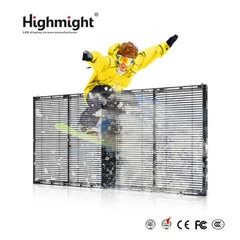
First things first, let's talk about what a transparent LED display is. Simply put, it's a display that allows light to pass through it while still showing high - quality visuals. These displays are super versatile and can be used in a bunch of different settings, like retail stores, museums, and even in advertising.
One of the main advantages of transparent LED displays is their ability to blend in with the environment. They can be installed on glass facades, windows, or even partitions, creating a seamless and eye - catching visual experience. And because they're see - through, they don't block the view, which is a huge plus in many applications.
Key Factors to Consider
Transparency Level
The transparency level is a crucial factor when choosing a transparent LED display. It's measured as a percentage, and the higher the percentage, the more see - through the display will be. For example, if you're planning to install the display on a storefront window where customers need to see inside the store, you'll want a high - transparency display, say 60% or more. On the other hand, if the primary goal is to show vivid visuals and transparency is less of a concern, you can go for a lower transparency level.
Pixel Pitch
Pixel pitch refers to the distance between the centers of two adjacent pixels on the display. A smaller pixel pitch means higher pixel density, which results in a sharper and more detailed image. However, displays with smaller pixel pitches are usually more expensive. So, you need to find a balance between image quality and your budget. If you're going to be viewing the display from a close distance, like in an indoor exhibition, a smaller pixel pitch (e.g., 2 - 5mm) is recommended. But if the display will be viewed from a far - off distance, such as an outdoor building facade, a larger pixel pitch (e.g., 8 - 15mm) might be sufficient.
Brightness
Brightness is another important consideration, especially if the display will be used in a well - lit environment. It's measured in nits, and a higher nit value means a brighter display. For outdoor applications or areas with a lot of sunlight, you'll need a display with a high brightness level, say 2000 nits or more. Indoor displays can usually get away with a lower brightness level, around 500 - 1000 nits.


Contrast Ratio
The contrast ratio is the difference between the brightest and darkest parts of an image on the display. A high contrast ratio means that the blacks will be deeper and the whites will be brighter, resulting in a more vivid and realistic image. When choosing a transparent LED display, look for a contrast ratio of at least 1000:1.
Energy Efficiency
Let's face it, energy costs can add up over time. That's why it's important to choose an energy - efficient transparent LED display. Look for displays that use advanced LED technology and have features like automatic brightness adjustment based on ambient light conditions. This can significantly reduce energy consumption without sacrificing image quality.
Application - Specific Considerations
Retail
In the retail industry, transparent LED displays can be used to attract customers and showcase products. For example, you can install a Transparent Led Screen Display on the storefront window to display product images, promotions, or even virtual try - on experiences. When choosing a display for retail, consider the size of the window, the viewing distance of customers, and the need for high - quality visuals.
Advertising
Transparent LED displays are a great choice for advertising because they can grab people's attention in a unique way. You can use an Indoor LED Transparent Advertising Screen in shopping malls, airports, or other high - traffic areas. For advertising, you'll want a display with high brightness, good contrast, and the ability to play dynamic content.
Events
If you're in the event industry, you might be interested in a Rental Transparent LED Large Screen. These displays are easy to install and remove, making them perfect for temporary events like concerts, trade shows, and conferences. When choosing a rental display, consider the size of the venue, the viewing angle, and the ease of setup.
Installation and Maintenance
Installation
Proper installation is crucial for the performance and longevity of your transparent LED display. Make sure to hire a professional installer who has experience with these types of displays. They'll know how to mount the display securely, connect the power and data cables correctly, and calibrate the display for optimal performance.
Maintenance
Transparent LED displays are relatively low - maintenance, but they still require some care. Regularly clean the display using a soft, dry cloth to remove dust and dirt. Check the power and data connections periodically to make sure they're secure. And if you notice any issues with the display, such as dead pixels or color inconsistencies, contact your supplier for support.
Making the Decision
Now that you know all the important factors to consider, it's time to make a decision. Start by making a list of your requirements, including the application, budget, and desired features. Then, compare different models and suppliers to find the best fit for you.
Don't be afraid to ask for samples or demos from the suppliers. This will give you a chance to see the display in person and evaluate its performance. And if you have any questions or concerns, don't hesitate to reach out to the supplier's customer support team. They're there to help you make the right choice.
Wrapping Up
Choosing the right transparent LED display can be a challenge, but with the right information and a little research, you can find a display that meets your needs and exceeds your expectations. Whether you're in the retail, advertising, or event industry, there's a transparent LED display out there for you.
If you're interested in learning more about our transparent LED displays or have any questions about the selection process, feel free to contact us. We're here to assist you every step of the way and help you find the perfect display for your project.
References
- LED Display Technology Handbook
- Industry Reports on Transparent LED Displays


